
I believe there’s a particular kind of energy that’s impossible to manufacture.
You can get the venue right, nail the agenda, even bring in the best speakers, and still walk away with something that feels flat.
That energy exists only in rooms where everyone has earned their seat. Through failure. Through iteration. Through refusing to quit on something most people told them to let go of.
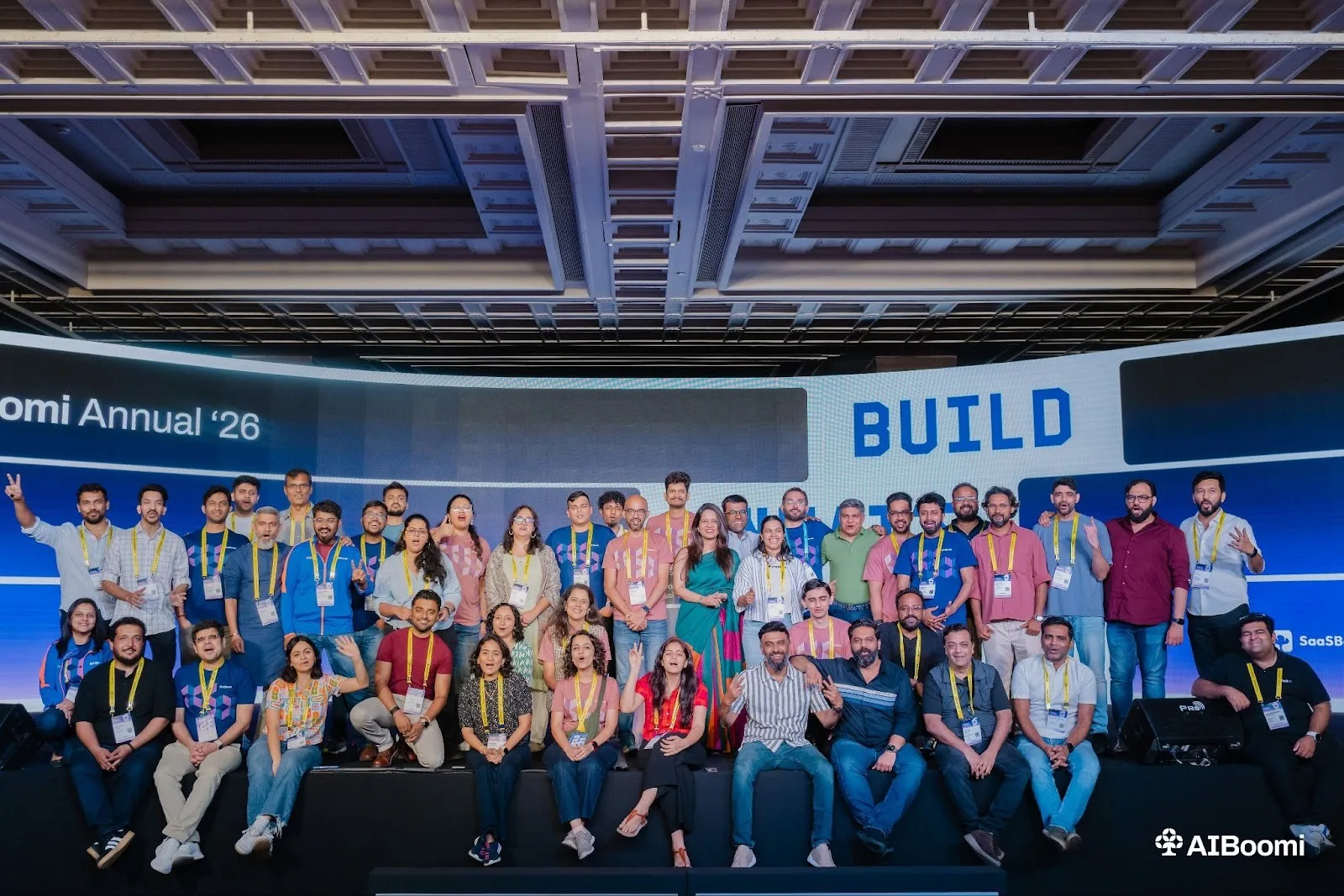
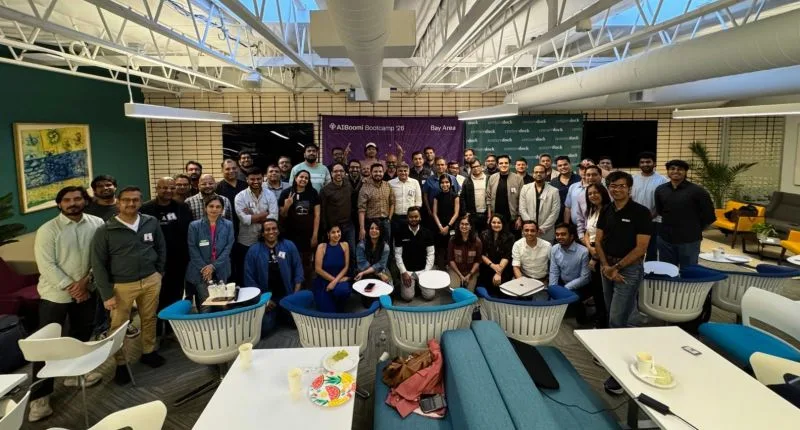
AIBoomi Annual 2026 had that energy. In abundance.
It felt a little like coming home
I’ve been around this community long enough to have seen it in its earliest form. Seven volunteers figuring things out as they went. Today, that number is well past 70, closer to 100 people quietly running an engine that most attendees will never fully see.
For the past couple of years, I hadn’t made it to the Annual. Life happened. Work got busy.
But when Chennai came around, something pulled me back.
It felt a little like coming home after a long time away.
Not built by mandate. Built by people who show up.
For anyone new to this world, a quick pause.
What is AIBoomi?
The easiest way I can explain it is this. It’s what happens when a community is built not by mandate, but by people who keep showing up. Founders, operators, volunteers learning, contributing, and then paying it forward.
And now, it has a new name.
Because the world has changed.
AI isn’t a feature you can choose to add or ignore anymore. It’s changing the ground beneath everything we’re building.
The rebrand to AIBoomi doesn’t feel cosmetic. It feels like a statement of intent.
Even before the conference officially began, the tone was set.
There was VC speed dating. Then a dinner with sponsors, ecosystem partners, and a room full of volunteers.
I didn’t know most of them.
And yet, the moment conversations began, it didn’t feel like meeting strangers. No awkward introductions. No forced small talk.
Just people from completely different walks of life, connected by a shared belief in what they were building and why it mattered.
No heroes on stage. Only builders.
This year’s Annual felt different in one important way.
There were no celebrity speakers. No headline acts flown in to draw crowds.
The stage belonged to builders.
People in the middle of the journey. Still figuring things out. Still making mistakes. And open enough to talk about those mistakes in a room full of peers.
That choice changed everything.
You could see it in how the content was put together.
The team approached the agenda like a product. Every session had to justify its existence. If the answer to “Does this deserve to be here?” wasn’t obvious, it didn’t make the cut.
What emerged was a programme spread across four tracks, but held together by a clear point of view. Go deeper, stay real, and focus only on problems that matter right now.
Across 31 sessions, the signal stayed consistently high.
The questions founders are really asking now
The Foundation track, built for 0 to 1 founders, stayed close to first principles. Questions around moats, early markets, and survival came up again and again. What stood out was how the answers had evolved. Moats are no longer about features. They are moving up the stack to data, workflows, and distribution.
In the Growth track, the tone shifted. These were teams that had already found traction and were now dealing with a more uncomfortable reality. Why does something that worked once stop working later? Why do AI pilots succeed but fail to sustain usage? The recurring insight was blunt. The hard part isn’t the demo. It is production.
The Product and Tech track went even deeper. This is where the conversation moved from possibility to implementation. The idea that kept coming back was simple but powerful. AI is no longer something you layer on top. It is becoming the operating model itself.
And then there was the Scaled track. Perhaps the most uncomfortable of all. Founders here were not asking how to build, but how to stay relevant. Whether their moat still held. Whether SaaS as they knew it was quietly being rewritten underneath them. Pricing, GTM, and even the path to IPO all felt up for reconsideration.
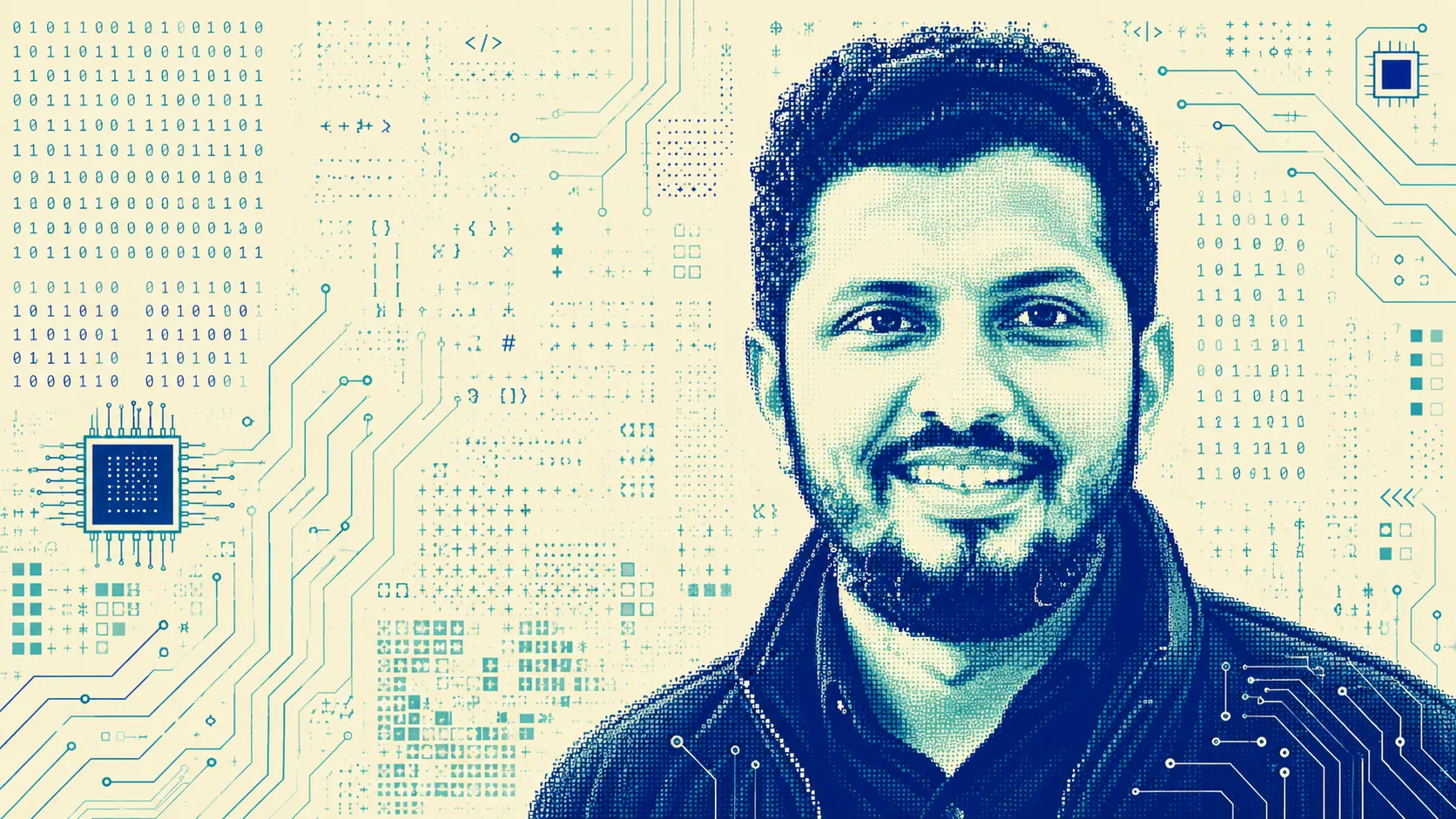
Of all the sessions, one that stayed with me was Anand Deshpande’s take on the state of AI.
I’ve sat through enough state of AI talks to know the pattern. They tend to swing between over-optimism and quiet panic.
This one didn’t.
It was grounded. Clear. Built for founders who have to make decisions, not just form opinions.
There’s a reason it kept coming up in conversations long after the session ended.
Where the real conversations happened
But the real magic of the Annual doesn’t stay confined to the stage.
Some of the most valuable conversations I had happened in smaller, less structured settings.
MindMixers brought together small groups of founders dealing with similar problems. There was no performative layer here. Just honest conversations. It is not surprising that this ended up being one of the most in-demand formats.
The Unconference took that a step further. Over 200 people in a room, openly sharing real numbers, real challenges, and real doubts. No polish. No filters. Just participation.
And then there was Launchpad. Five early glimpses into where Indian SaaS and AI might be headed next.
You can’t fake this kind of signal
If you zoom out, the numbers tell their own story.
Over 1,000 founders, operators, and investors showed up across two days.
More importantly, they didn’t just show up. They engaged.
- 83 percent rated their experience highly
- 78 percent said the event meaningfully advanced how they think about AI
- 77 percent walked away with valuable connections
You cannot manufacture that kind of signal.
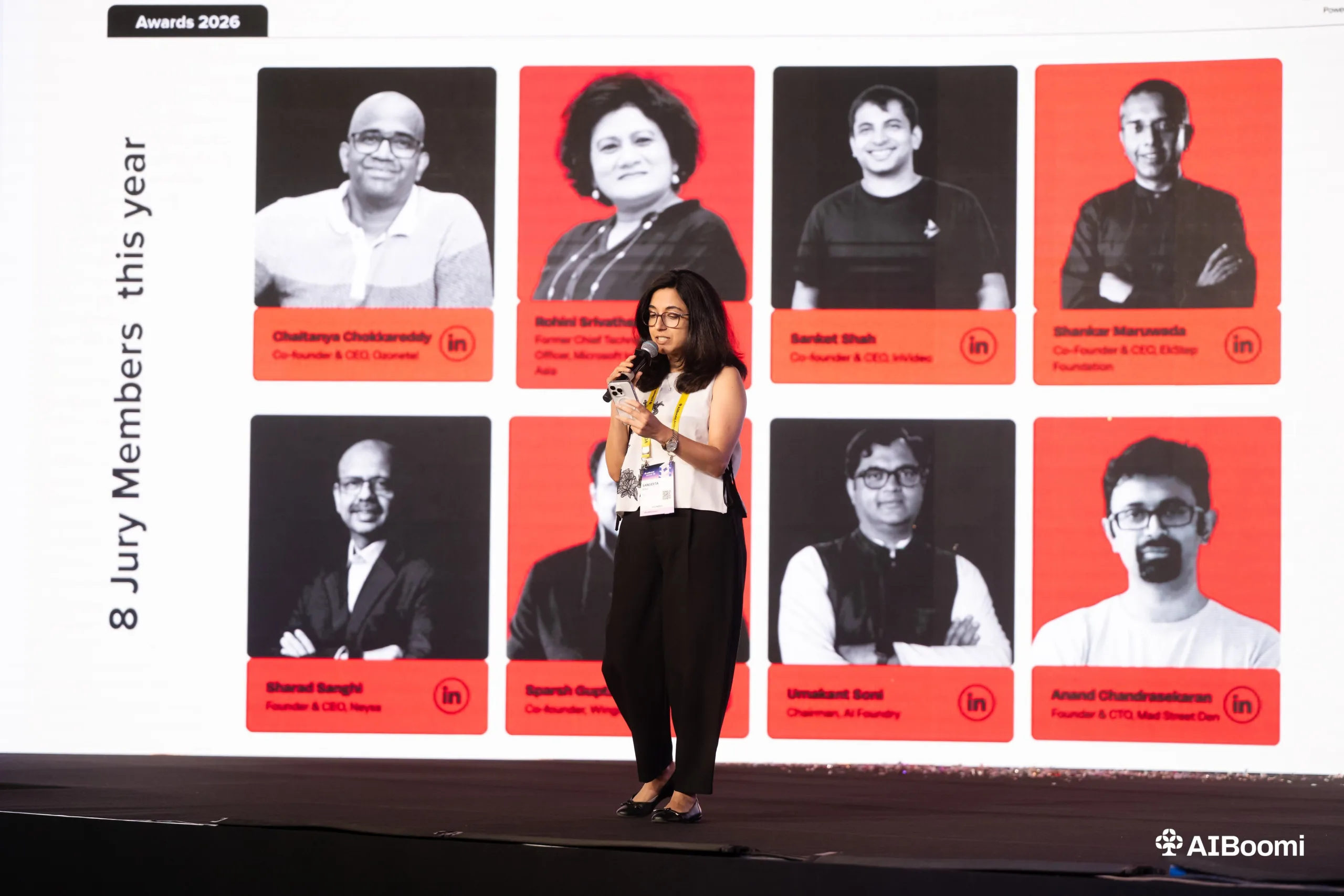
As the awards night rolled around, we decided to do things a little differently.
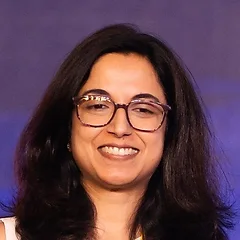
Full disclosure: I was co-hosting. 😉
Instead of the usual format, we asked presenters to dance, recite poetry, and even do push-ups on stage.
And they did.
Because that’s the thing about this community. It doesn’t take itself too seriously, even when the people in the room have every reason to.
The invisible engine behind it all
Behind all of this is an invisible engine.
An army of volunteers who spend months building something they may never get credit for. Coordinating speakers, shaping content, designing experiences, all while managing their own work and lives.
They do it because, at some point, this community showed up for them.
And this is how they give back.
Why I keep coming back
I’ve been part of this ecosystem since 2019.
And the most honest thing I can say is this.
The best return I’ve ever gotten from this community wasn’t a deal, or funding, or any single opportunity.
It was perspective.
It was the people I met, the conversations I had, and the quiet recalibration that happens when you’re in a room full of others building just as hard as you are.
If you’re building in SaaS or AI and you weren’t there this year, fix that.
The numbers say enough. The room said the rest. 👇
See you next year.
Same chaos. Same magic.
Same home. 🙂