
I almost didn’t go to AIBoomi Annual.
Not because I did not want to. I had wanted to be part of AIBoomi (formerly SaaSboomi) for years. I had filled out volunteer forms a few times and had heard friends describe something I could never quite picture.
I almost did not go because, for most of 2025, I could barely walk.
I would have missed working with this fantastic bunch and so much more.
The year before
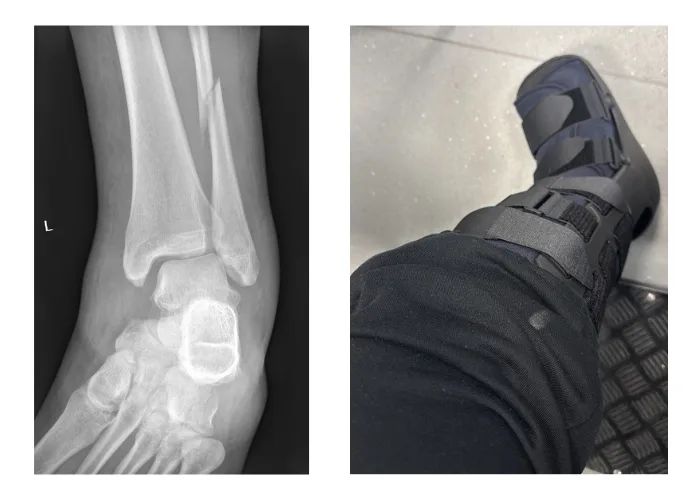
In early 2025, I broke my fibula while on a solo trip to Scotland. Two surgeries, six months of bed rest, being entirely dependent for the first time in my adult life, and then four more months of working on a foot that had developed strong opinions about every surface it touched.
The physical recovery was slow and humbling. The harder part was the stillness that came with it.
When you are suddenly, involuntarily still, the world does not slow down to wait for you. Work helped, but only to a point. The rest sat there: a bone that refused to cooperate, an industry changing faster than I could follow, and no clean way through any of it.
From that bed, I watched an entire ecosystem reckon with something it had not planned for either. Generative AI has done in a few years what it took SaaS decades to do. The World Economic Forum projected that 70% of job skills would change by 2030, and the pace has only accelerated since. Nobody has clear answers.
The uncertainty I felt about my recovery and my career mapped surprisingly well onto the uncertainty the ecosystem was sitting with.
We were all, in our different ways, trying to figure out how to run before we were good at walking, on ground that kept shifting underneath us.
Somewhere in the middle of all that
That’s when Aishwarya Thilak messaged.
A close friend who has been part of this community for years, and is always certain about it in the quiet way people are certain about things they’ve seen work. She had promised to keep an eye out for an opportunity, and one came up.
I said yes before thinking twice partly because it was something new to do. Partly because, after months of watching the world from a screen, the chance to contribute and give back felt like something I genuinely needed.
I came in midway through Caravan ‘25. The team had already done most of the work. My contribution was to write some emails. The kind of thing I have done a thousand times, in different contexts, without much ceremony.
Varun responded as though I had delivered something remarkable. Which, to be clear, I had not. I had written emails. And for a brief, confused moment, I genuinely wondered if he was being sarcastic. He wasn’t. His warmth was so completely free of performance that it caught me off guard.
A few days later, Keerthi left some comments on a draft, then sent a separate note. She had left comments in a rush, and wanted to make sure it had not come across as rude. She asked how I preferred to receive feedback, something she was happy to learn and adapt to.
I read that message twice.
Here was someone holding together a very large, very complex event, finding a moment in the middle of it to ask how I preferred to receive feedback. I had not given the comments a second thought. She had.
It stayed with me.
Over the eight months that followed, something settled. The ground felt a little more solid. And for the first time in a long time, I started genuinely looking forward to something.
On the ground
I walked into AIBoomi Annual ‘26 expecting the usual things. I expected to feel a little rusty. I also worried about all the walking.
Neither of those turned out to be the story.
What stood out instead was how many people seemed to be carrying some version of the same underlying question. Founders wondering if what they had built still held up. Operators trying to understand which parts of their career would continue to matter and be durable.
Everyone sitting with the same central question, dressed up in different specifics: what does it actually mean to build well right now, when the rules keep changing?
What I found refreshing was that the conversations treated this as a practical problem, not an existential one.
A few ideas kept coming up across conversations.
One was about defensibility. Nishant Rao from Avataar Venture Partners put it simply: how proprietary is your data, and how deeply are you embedded in your customer’s workflow? Between those two, you get a clearer sense of how exposed you actually are, and how much time you really have. The uncomfortable part wasn’t the framework. It was that most people in the room already knew roughly where they sat. They just hadn’t drawn the chart yet.
Another was about pace. Vishal Virani and the Rocket team framed it as context over FOMO. Every few weeks, a new model, a new release, a new apparently game-changing thing. But your context – what you’re building, for whom, and why – doesn’t change at that speed. Moving quickly without that clarity doesn’t help. It just makes mistakes scale faster.
Across sessions, the same pattern kept emerging. The shift is not SaaS versus AI, as though they are adversaries in a debate. It is SaaS becoming AI, and the question is how to do that in a way that compounds rather than complicates.
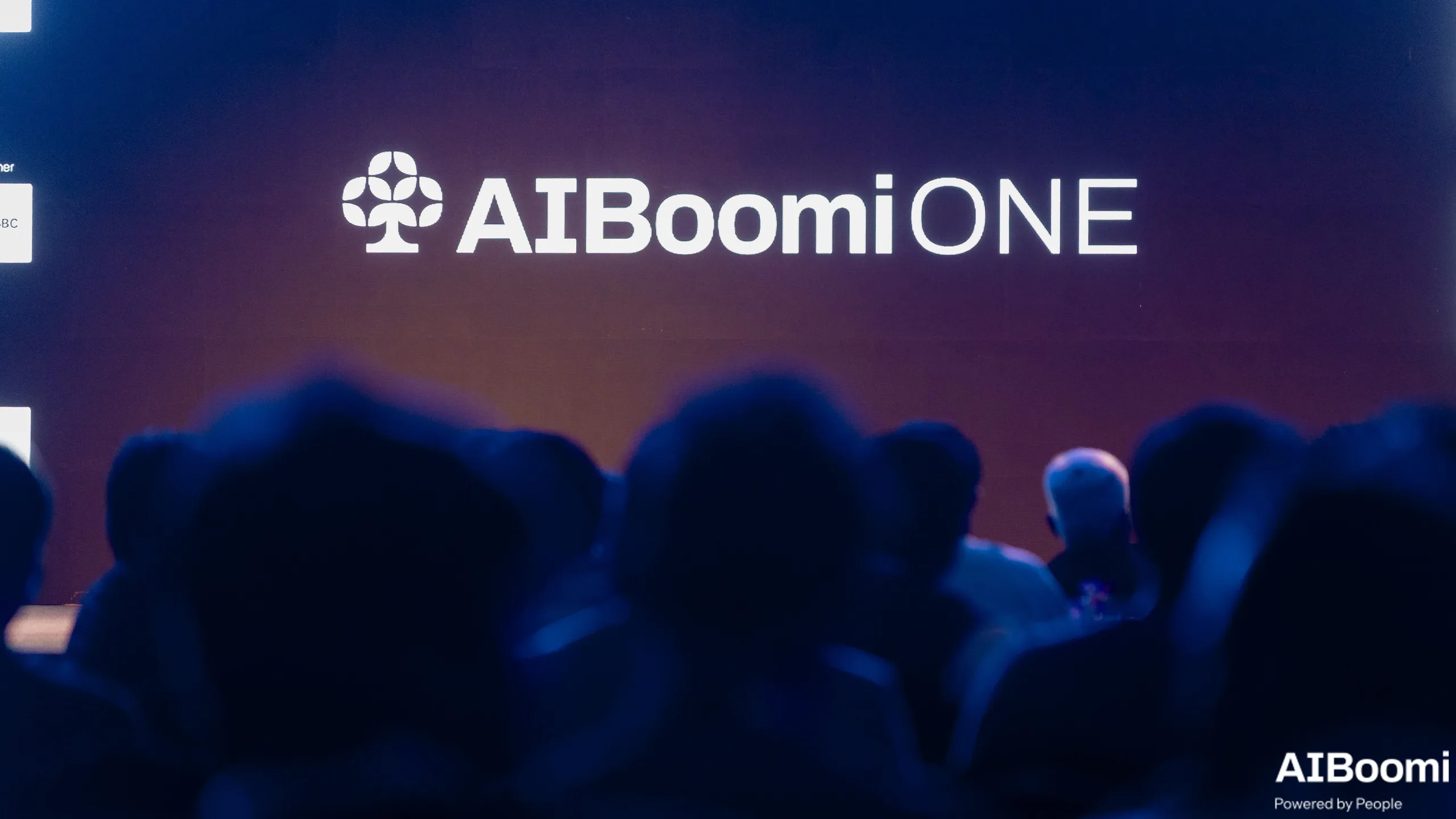
There was much more across the three days—MindMixers, the Unconference, luncheons, demos. Conversations on moats shifting from features to distribution and depth; on India moving beyond the application layer; on what AI-native actually means when you are building from the ground up versus retrofitting.
What a community looks like in practice
What stayed with me most, though, wasn’t the sessions. It was how people showed up.
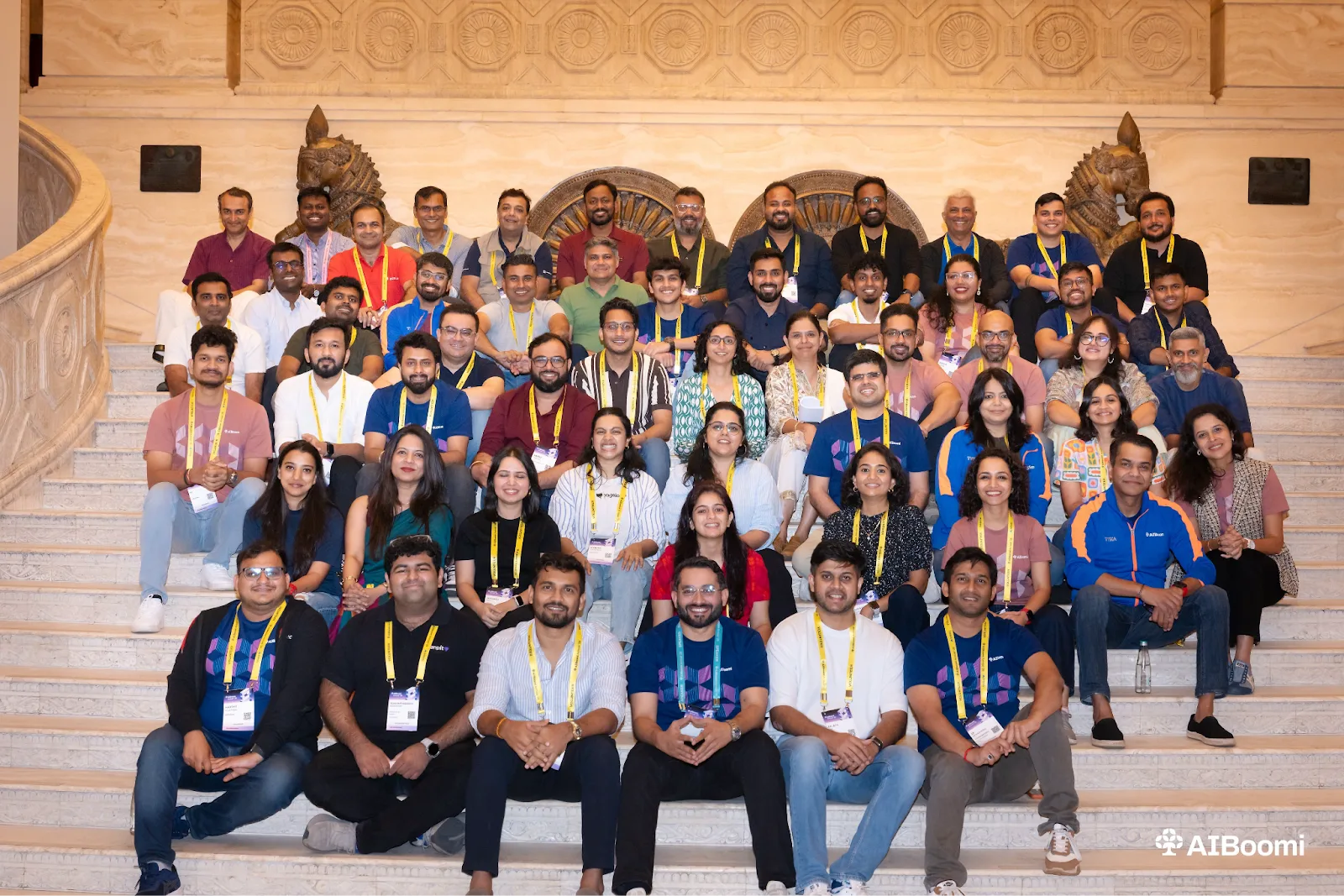
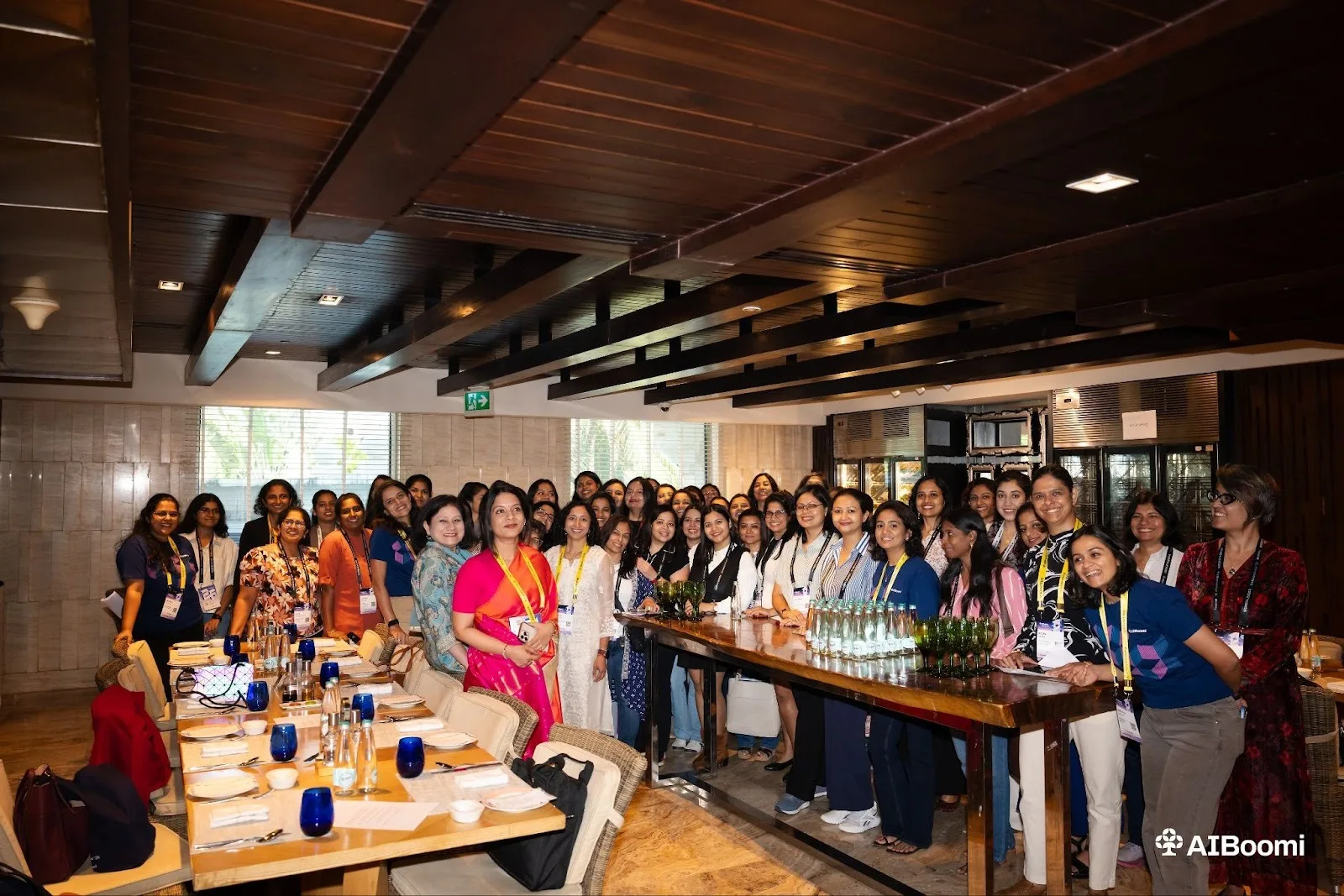
Volunteers (many of them founders themselves) flying in from different parts of the world and fully committing to whatever needed to get done. Partners who planned logistics with a level of care you only see when the outcome genuinely matters to them. A photography team working pro bono (and if you haven’t seen the pictures, you should).
Nothing about it felt transactional.
I ran into a friend from nursery school, now a founder, navigating this same space the rest of us are trying to figure out. Two completely different chapters of my life, converging in the most unexpected corridor in Chennai. He told me about another founder who has helped him by showing up consistently.
That story wasn’t unusual. I kept hearing versions of it across those 3 days. People finding their first customers here. Meeting co-founders. Getting a piece of advice that changed how they approached their company. A simple pattern – people took time they didn’t really have, for people they barely knew, because that’s what this place runs on.
In most professional spaces, there’s an invisible ledger. You give, you track, you expect something back. The pay-it-forward philosophy at AIBoomi is not just a tagline. You see it in the warmth that survives three packed days and a thousand moving pieces, which, if you have ever tried to run anything at scale, you know doesn’t happen by accident. It is a consequence of who you let in and what you actually value.
The way Varun and Keerthi showed up weren’t exceptions. They were examples, a reflection of a culture that runs all the way through this community. Once I was on the ground, I saw it with every person I got to work with.
And you can see the outcome of that. The way founders walk out of this event feeling seen, supported, less alone in the questions they’re sitting with.
The feeling of giving back does not click into place when you decide to volunteer. It clicked when I was standing in that room, watching a hundred other people do the same thing, for the same reason, and realising I was part of something with a purpose far larger than I could understand.
I came in tired. More than a little nervous about re-entering a world that had moved on without me.
I came out more energised than I have been in over a year.
To everyone who built this
To the volunteers, the founders, the team behind the scenes, the people who show up year after year for no reason beyond the fact that someone once showed up for them: THANK YOU.
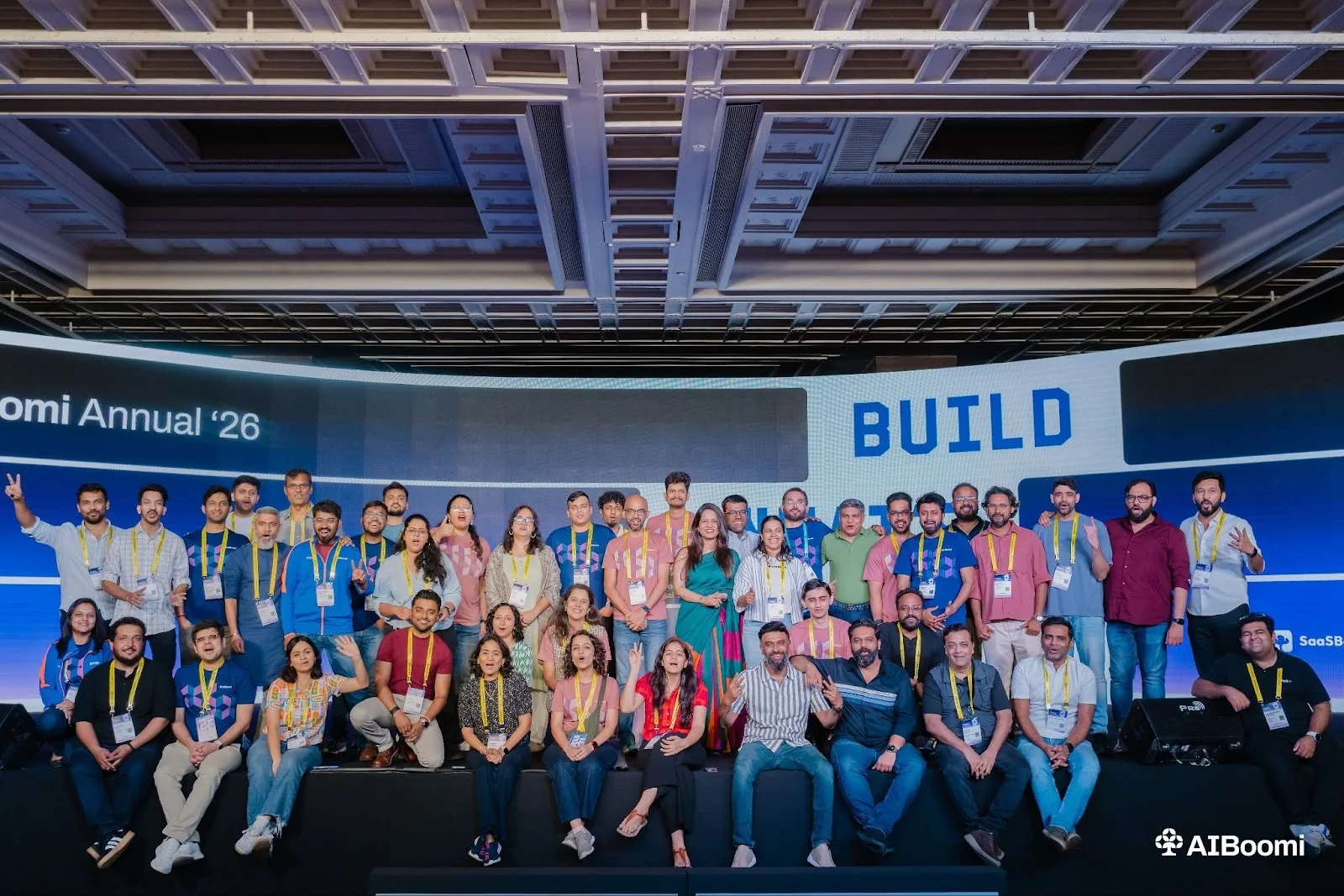
To Varun, Keerthi, Avinash, and the entire AIBoomi team: what you have built is rare, and you can feel it in every detail.
To Thilak, for following through always. I understand now why you always spoke about this the way you did.
Some things do not make sense from the outside. You just have to be in the room.
PS: I had not written my feelings out in a very long time. This piece exists largely because Keerthi nudged me into it, gently and persistently. Thank you so much, all credit to you.