What building the AIBoomi Pune Bootcamp taught me
“Attending an AIBoomi event is like having a Red Bull.”
A founder said this after the AIBoomi Bootcamp Pune, and I have been smiling about it ever since.
Not only because it is a lovely compliment, but because it captures exactly what the bootcamp felt like. Energising. Honest. A little intense. The kind of experience that makes you look at your company differently and return to work with renewed clarity.
For the founders, the bootcamp was two days long.
For those of us working behind the scenes, it began much earlier.
The assignment I almost underestimated
When Avinash asked me to be the programme manager for the Pune Bootcamp, my first thought was, “Sure, I think I can do this.” Even with an AIBoomi Startup Weekend happening just one weekend earlier, I felt it would be manageable.
I had supported our earlier bootcamps from the back end, so the format was not entirely new to me. But I had not been able to attend those editions in person, nor had I been responsible for seeing one through from beginning to end.
I assumed I would learn along the way.
I was right about the learning. I had simply underestimated how much of it there would be.
This time, I was there from day zero to the final session. I saw the programme take shape, worked with the volunteers and speakers, managed participant communication, watched plans change and, finally, sat in the room while everything we had worked on came alive.
I am incredibly glad Avinash asked me to take this on. I am equally glad I did not shy away from it.
Building the right room
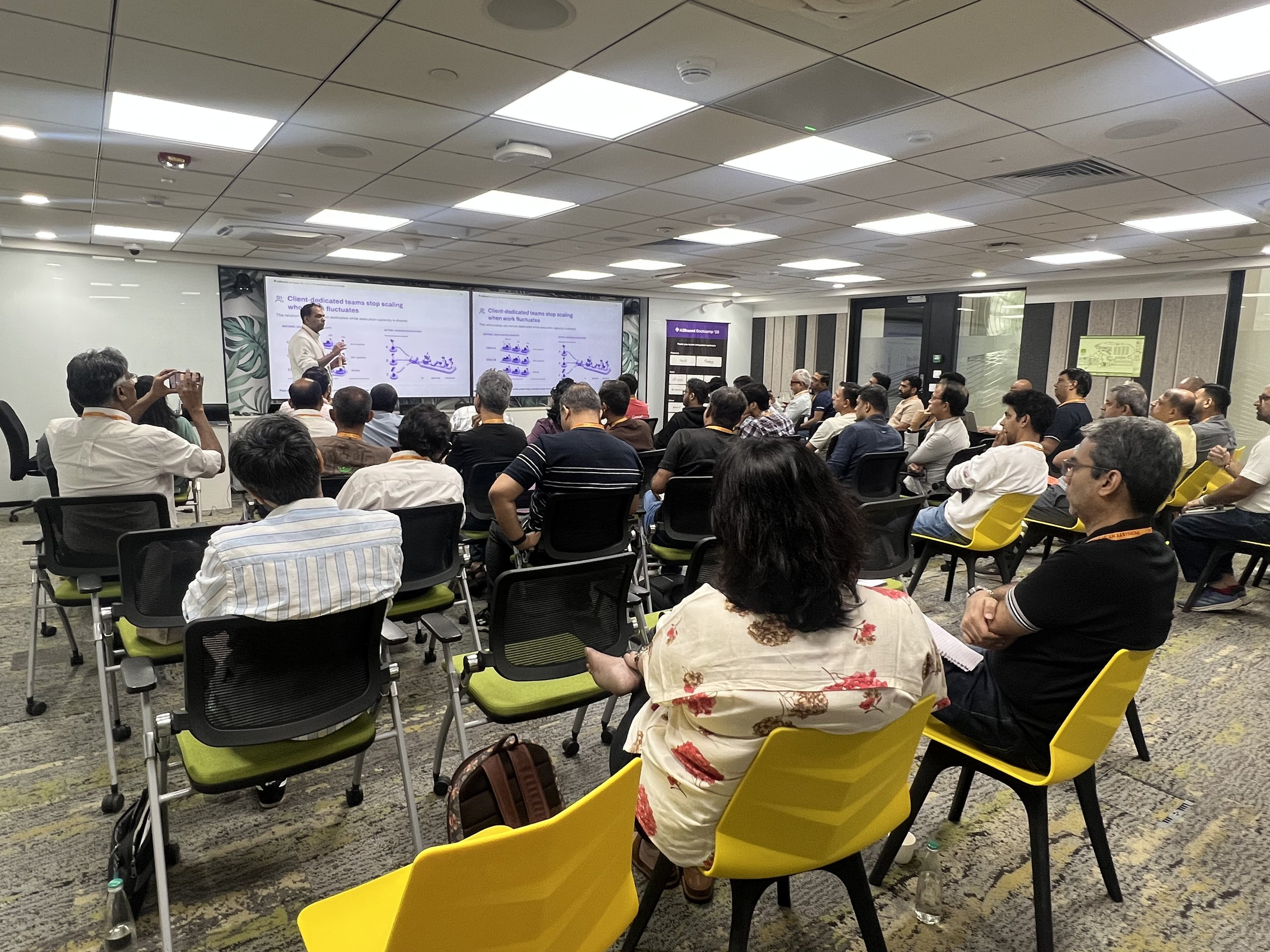
Our starting point was simple. AI founders do not need another event where they sit through polished talks and collect generic advice.
They need a room where they can talk openly about what is actually happening inside their companies.
What is their moat when technology is becoming easier to build?
Are they building an AI-native company or adding AI to an existing product?
Why are enterprise pilots not converting?
How do they find the right ICP, price for value and compete with larger, established companies?
We wanted to explore these questions through candid conversations, practical sessions and peer learning.
The cohort was intentionally kept small and curated. The idea was never simply to fill a room. It was to bring together founders who could learn from the speakers and from one another.
The volunteers who shaped the experience
The final programme may have appeared neat on the agenda, but getting it there required weeks of discussion, questioning and refinement.
Abhi Ballabh and Brijraj Bhuptani shaped the programme that founders could not stop talking about after attending the bootcamp.
They helped turn broad topics into sessions with a clear purpose. What should founders walk away with? Which questions needed to be discussed? How could we prevent a session from becoming another generic talk?
Avinash helped bring in the right people to lead those conversations. The speakers were not invited simply because of their titles or reputations. They were people who had lived through the questions our founders were asking and were willing to speak honestly about them.
Pawan Rochwani handled the marketing and outreach. Bringing the right founders into the room took much more than publishing a registration link. It meant communicating who the bootcamp was for, what it would offer and why someone should give two full days to it.
Deepesh Kuruppath and Milind Katti strengthened all of this with their honest and continuous inputs. They challenged ideas, pointed out gaps and helped us keep looking at the programme from a founder’s perspective.
Every volunteer also doubled up as a session manager.
They worked directly with speakers to communicate the intent and value we wanted each session to deliver. They helped the speakers understand who would be in the room, what stage those founders were at and what questions they were likely to bring with them.
What the participating founders eventually experienced was built through all these small, mostly invisible conversations.
Rethinking what a bootcamp could look like
Until Pune, our bootcamps had always been residential. We would bring a small cohort together in one place, away from their everyday routines, so they could spend two uninterrupted days learning and connecting.
That was the initial plan for Pune too. We were going to host the bootcamp in Lonavala, but some logistical realities made us rethink it closer to the event.
Avinash reached out to Anand Deshpande of Persistent Systems, who was also delivering the opening keynote. Persistent graciously opened its Pune office to us and gave the bootcamp a new home in the city.
Changing the venue at that stage still required careful communication. There were questions about accommodation, refunds, parking, timings and travel. My colleagues PC and Sulochana stepped in wherever needed and helped us manage the transition smoothly. I am deeply grateful to both of them.
What surprised me most was what happened once the bootcamp began.
Despite being held in the middle of the city, it never felt like people were simply dropping in for another event. The days were long, the conversations continued between sessions and over meals, and everyone remained fully present.
It still carried the intimacy and immersion of a residential bootcamp. The difference was that, after spending the day learning and connecting, people could return to their own personal spaces and come back the next morning with the same energy.
That opened up a new way of thinking about the format for us.
Perhaps the feeling of a residential bootcamp does not come only from taking people away from the city or having everyone stay under one roof. It comes from the time people give, the trust created in the room and the depth of the conversations.
Pune showed us that we may be able to bring future bootcamps closer to founders, in their own cities, without losing what makes the experience special.
Then I finally saw the format in action
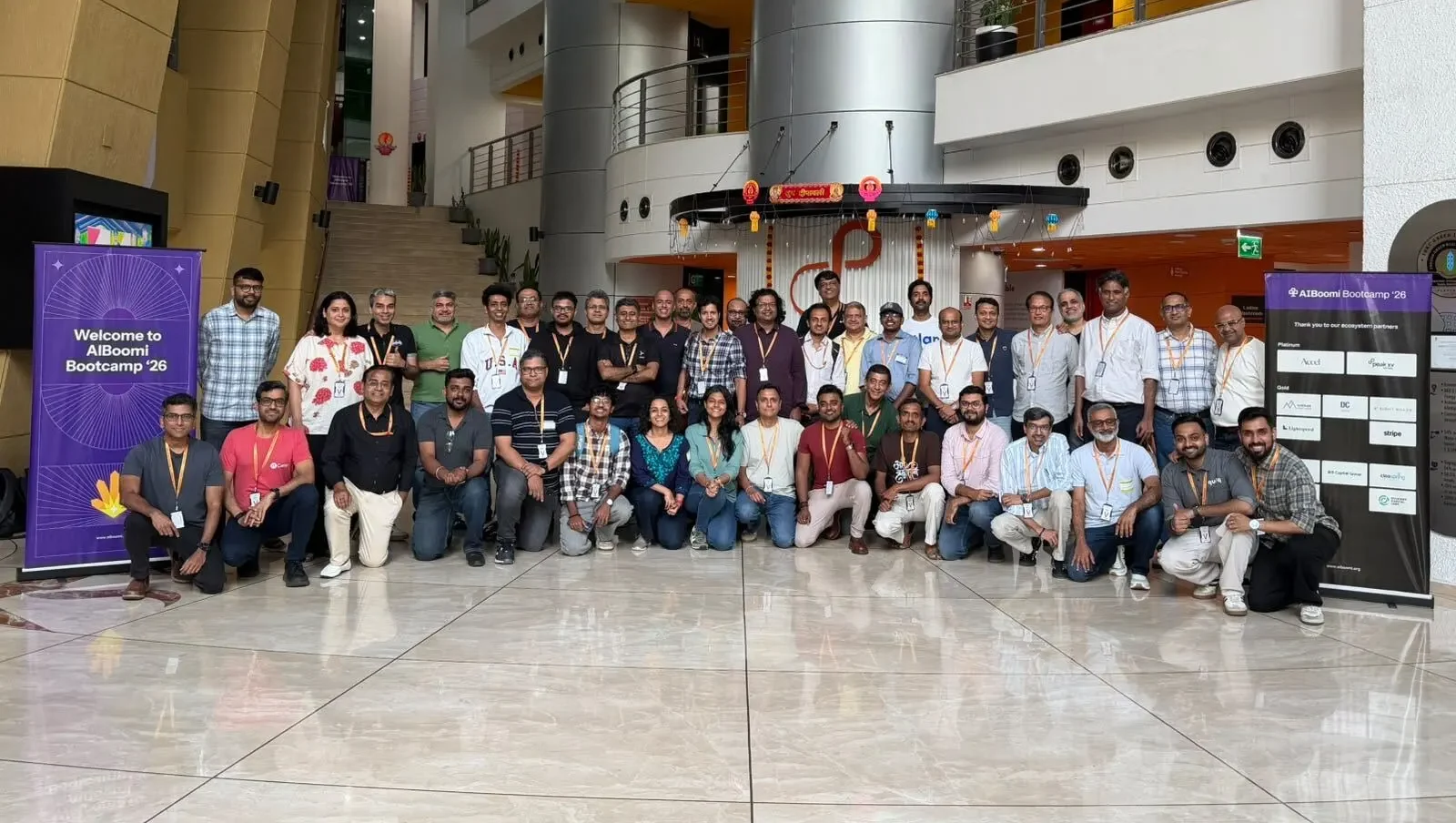
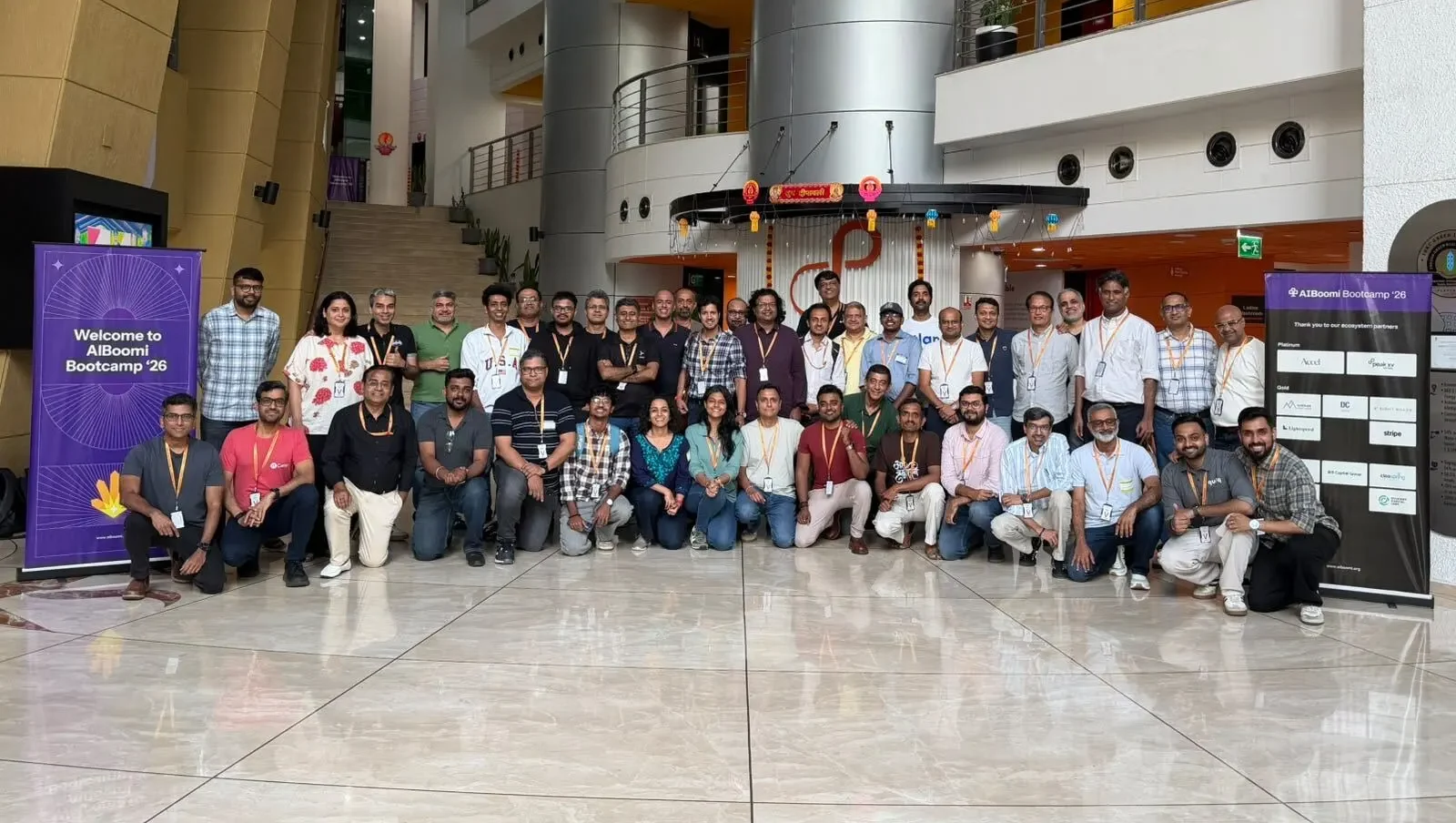
On October 30, founders began walking into Persistent’s Pune office.
Until then, I understood the bootcamp format largely through plans, agendas, feedback reports and conversations with the team.
Seeing it in person was completely different.
Earlier in the year, we had discussed bringing smaller cohorts together so founders would not have to wonder when they could ask a question or whether they would get time with a speaker.
I knew this could work beautifully in a roundtable with 12 or 15 people. I was less certain about what would happen in a room of more than 40.
Would the exchange still feel free-flowing? Would people speak openly? Would everyone remain engaged?
I did not need to worry.
A format that does not need forced engagement
The most beautiful thing about the bootcamp was that nobody had to manufacture engagement.
There was a constant exchange of energy, information, questions, curiosity, encouragement and candid feedback. It happened during the sessions, between sessions and over meals.
Founders did not wait for a formal networking activity to speak to one another. They did not have to compete for a rare one-on-one moment with a speaker. They could ask questions while the conversation was happening and continue it afterwards.
The speakers played a huge role in making that possible.
They arrived with clear thoughts and slides to anchor their sessions, but they were willing to let go of the planned flow whenever a founder raised an important question.
They took every question seriously. They fuelled the founders’ curiosity instead of dampening it. As far as possible, they made sure nobody walked out carrying an unanswered question.
That was when I truly understood why this format works.
It does not treat the people in the room as an audience. Everyone contributes to the experience.
What two days told us
The Pune Bootcamp brought together 42 registrations from 37 companies, with nine speakers leading 13 sessions.
It received an NPS of +95 and an overall rating of 4.8 out of 5. Eighty-six per cent of respondents said it exceeded their expectations, and 95 per cent said they made meaningful connections or new friends.
One founder wrote, “Not a single boring session.”
Another said the experience made building an AI product company feel more approachable.
The NPS scores across our Hyderabad, Chennai and Pune editions have all remained above 85. Having now experienced the format for myself, I understand why.
The value is not created only by what happens on stage. It comes from the room itself.
What I am taking away
I went into this thinking I would manage a bootcamp and learn as I went. I came out understanding that community work is not about protecting the first plan. It is about protecting the reason you made the plan in the first place.
A strong programme begins long before anyone enters the room. It is built through honest feedback, difficult decisions, thoughtful communication, speakers willing to listen and volunteers who keep showing up.
But once the right people are in the room, you have to trust them.
You do not need to force connection, curiosity or generosity. You simply need to create the space for them.
I had set out to manage a bootcamp. Somewhere between day zero and the final goodbye, the bootcamp changed me too.
A founder described attending an AIBoomi event as having a Red Bull. I think that is true for the people who enter the room, but it is also true for me.
Every AIBoomi event leaves me more energised, more hopeful and more certain about why I love doing this work.
That is where the joy is for me.
I help create the room, and every single time, the room gives something back.