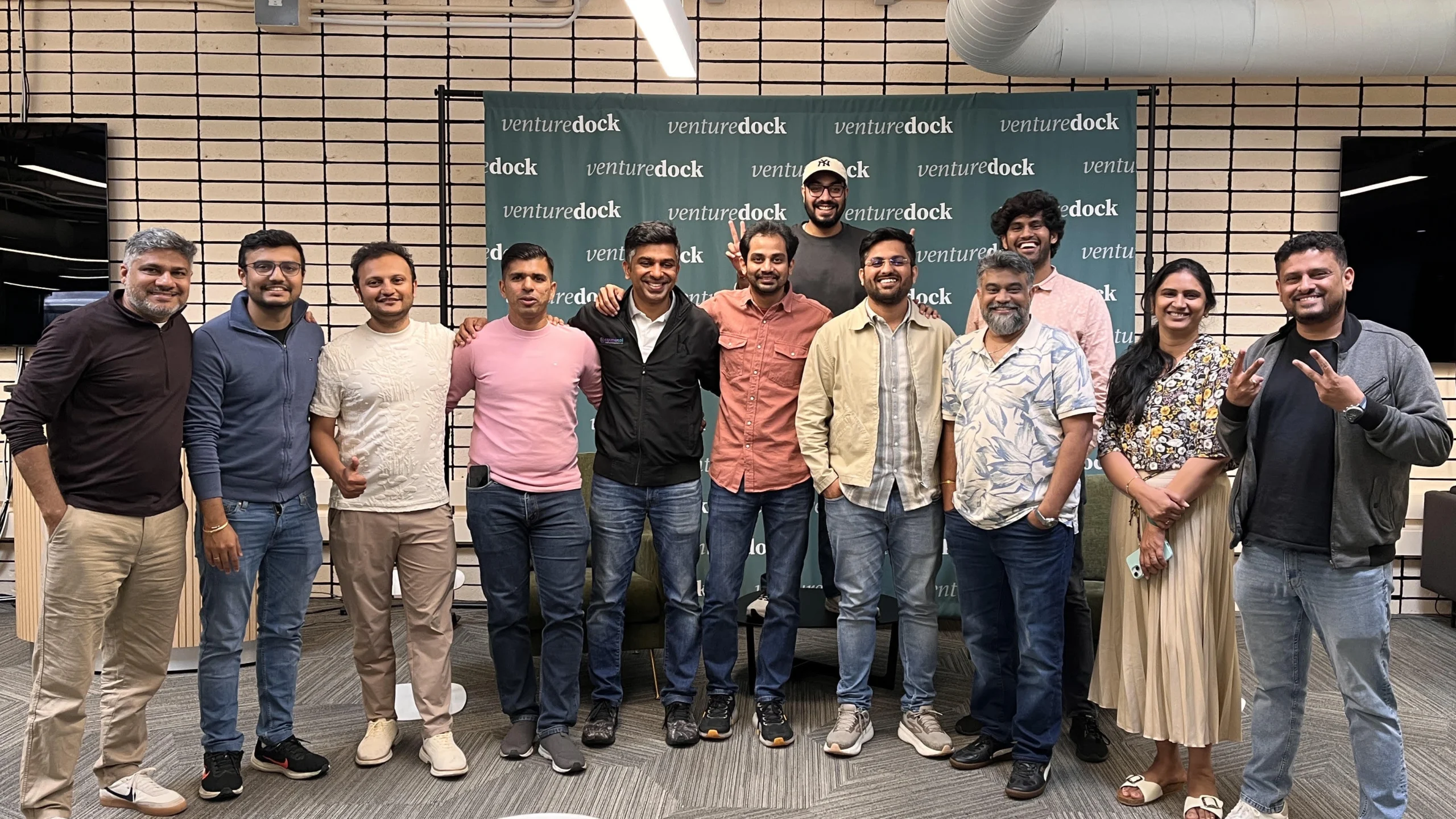
There is always a slightly strange moment at the beginning of Caravan.
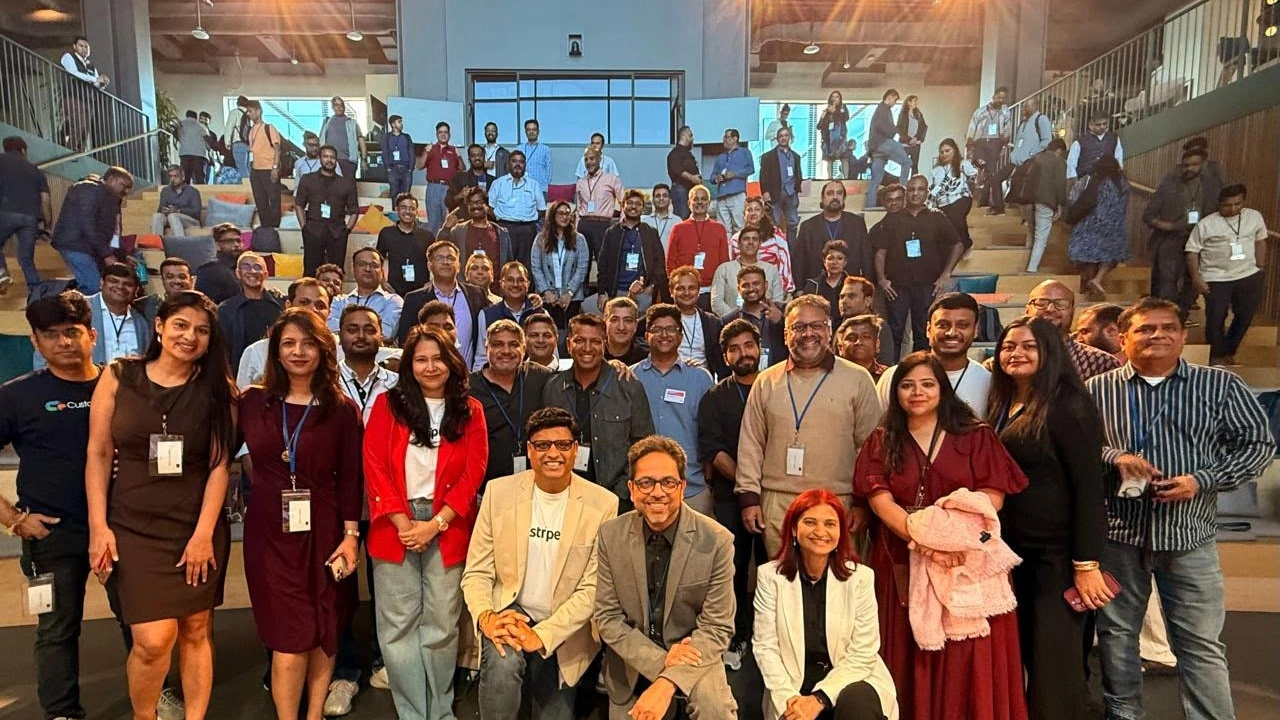
A room full of founders lands in the Bay Area. Some know each other. Most don’t. Some are already selling in the US; some are still figuring out whether the US is the right market for them. Some have built sizeable businesses, while others are still looking for that first repeatable wedge.
And everyone arrives carrying a slightly different version of the same question:
What do I need to figure out next?
This year, 84 founders registered for Caravan ’26. 71% were joining us for the first time. 58% were bootstrapped, and 71% reported ARR below $1 million. But those numbers only tell part of the story.
Some came wanting to crack US GTM. Some were trying to understand why a sales motion that worked in India wasn’t translating to the US. Some wanted customers, partners or investors. Others simply wanted to spend five days around founders who were wrestling with similar problems.
That last bit became more important than we expected.
Five days, three tracks, and a lot of questions
We built this year’s Caravan around three tracks — Foundation, Build and Distribute — because the questions founders were asking us fell broadly into those buckets.
But once the week began, the most useful conversations rarely stayed neatly inside them.
A discussion about product would become a conversation about customer discovery. A GTM session would end up being about positioning. A conversation about AI would become a debate about how companies themselves need to change.
And often, the useful part happened after the session was technically over.
One idea that kept resurfacing was deceptively simple: before building more, get much clearer about who you’re building for.
Girish Redekar and Srikrishnan Ganesan took founders back to the early discovery behind Sprinto and Rocketlane. Kalyan Varma then pushed people to work through their own customer, problem, insight and differentiation.
The reminder was useful even for founders well beyond day zero: crowded markets aren’t necessarily bad markets. There may still be an underserved slice. But you don’t find it from a spreadsheet. You find it by talking to customers, noticing what others have missed and being disciplined about the problem you choose to solve.
That connected directly to one of the biggest asks we had heard before Caravan — help us get closer to product-market fit.
Selling isn’t the demo
The other big question was, unsurprisingly, the US.
How do you sell here? Who actually makes the decision? Why does a deal that looks promising suddenly disappear? And how do you build a repeatable motion rather than depend on founder hustle forever?
Jessica Gilmartin brought in the buyer’s side of the table. One of the useful reminders was that the executive who signs is only one part of a much longer buying process. The team using the product, the budget owner, security, procurement and legal can all determine whether the deal actually happens.
Arjun Pillai, Prakhar Jain and Ayan Barua got into discovery, follow-ups and next steps. Guru Hariharan pushed founders to build the business case around value rather than simply showing what the product could do.
Across those conversations, one thing became increasingly obvious:
A great demo isn’t a GTM motion.
You need to understand how the customer buys, who needs to believe, what changes for them if they buy, and what has to happen after that first good meeting.
For a cohort that had overwhelmingly asked us for help with sales, GTM and US expansion, this was probably one of the most important threads of the week.
Distribution is more than outbound
We also spent a lot of time on a question that has become harder in the AI era: how do you get noticed when everyone can build faster?
Arvind Parthiban‘s distribution workshop pushed founders to think beyond the channel they were most comfortable with. Gayathri Padmanabhan did the same with partnerships: a partnership works only when there is a reason for the other side to care.
Vinod Muthukrishnan brought it down to something much more human — particularly when you’re entering a new market. Don’t walk into every conversation trying to sell. Be yourself. Be useful. Earn the next meeting.
It sounds obvious. It isn’t always how we behave when we’re trying very hard to “crack the US.”
And then, of course, there was AI
It would have been easy for Caravan ’26 to become five days of talking about AI tools.
We didn’t want that.
The more interesting conversations were about what AI changes inside a company.
Tanmai Gopal spoke about shared context and faster decision-making. Arjun‘s Claude demos made everyday automation tangible. The Anthropic session showed what founders and teams could already start doing differently. Vish from Glean brought an equally important counterpoint: there is still work that needs judgment, context and a human being willing to be responsible for the outcome.
So one of our own takeaways from the week was fairly simple:
Use AI aggressively to improve how the company works. Don’t outsource accountability to it.
Even the pricing conversations brought us back to the customer. Usage may become variable; the customer’s tolerance for an unpredictable bill doesn’t magically increase with it.
But the sessions weren’t the whole point
This is probably the part we’ll remember most.
By the end of Caravan, 50 of our 67 unique feedback respondents said they had found a small circle of founders they could be honest with.
That matters to us.
Because Caravan was never meant to be five days of people sitting in chairs listening to smart people speak.
The moments we want more of are a founder showing another founder the deal they’re stuck on. Someone admitting that their US motion isn’t working. A returning founder telling a first-timer what they wish they had known two years ago. People finding two or three others they can call after everyone flies home.
One founder told us they had already reworked their team’s GTM approach the week after Caravan.
That’s a better outcome than a full notebook.
Across the feedback, Caravan averaged 4.46/5. We are happy about that.
But the things people didn’t like are probably more useful as we think about the next one.
Some things we could have done better
We packed too much into the five days.
Ironically, in trying to make every hour useful, we sometimes took away the space founders needed to make it useful for themselves.
There should have been more room to sit with what they had heard, work on their own companies, have unhurried conversations, show each other their products and go deeper on a problem.
The live deal teardown was a good example. One founder got to put a real deal on the table and have it pulled apart. More people wanted that kind of direct work.
Next time, less may actually give us more.
Pods were another experiment that taught us something.
A few became genuinely close groups. Others never really found their rhythm. We had done the work of putting founders together, but not enough work helping those groups become useful.
The lesson isn’t to drop pods. It’s to make them matter — clearer purpose, better facilitation, actual work to do together, and enough protected time for people to help each other.
And perhaps the biggest learning was around the Bay Area itself.
If founders are travelling halfway across the world to be here, we need to make that geography work harder for them.
Founders wanted more relevant customers, investors, operators and local founders in the room. The Summit worked well for some; others wanted the audience to be much more tightly matched to what they were building. Returning Caravan founders, especially, asked us to go deeper by industry and stage.
We hear that very clearly.
The next version of our US work has to be less about simply bringing Indian founders to the Bay Area and more about building the right bridges once they’re here.
The people behind the five days
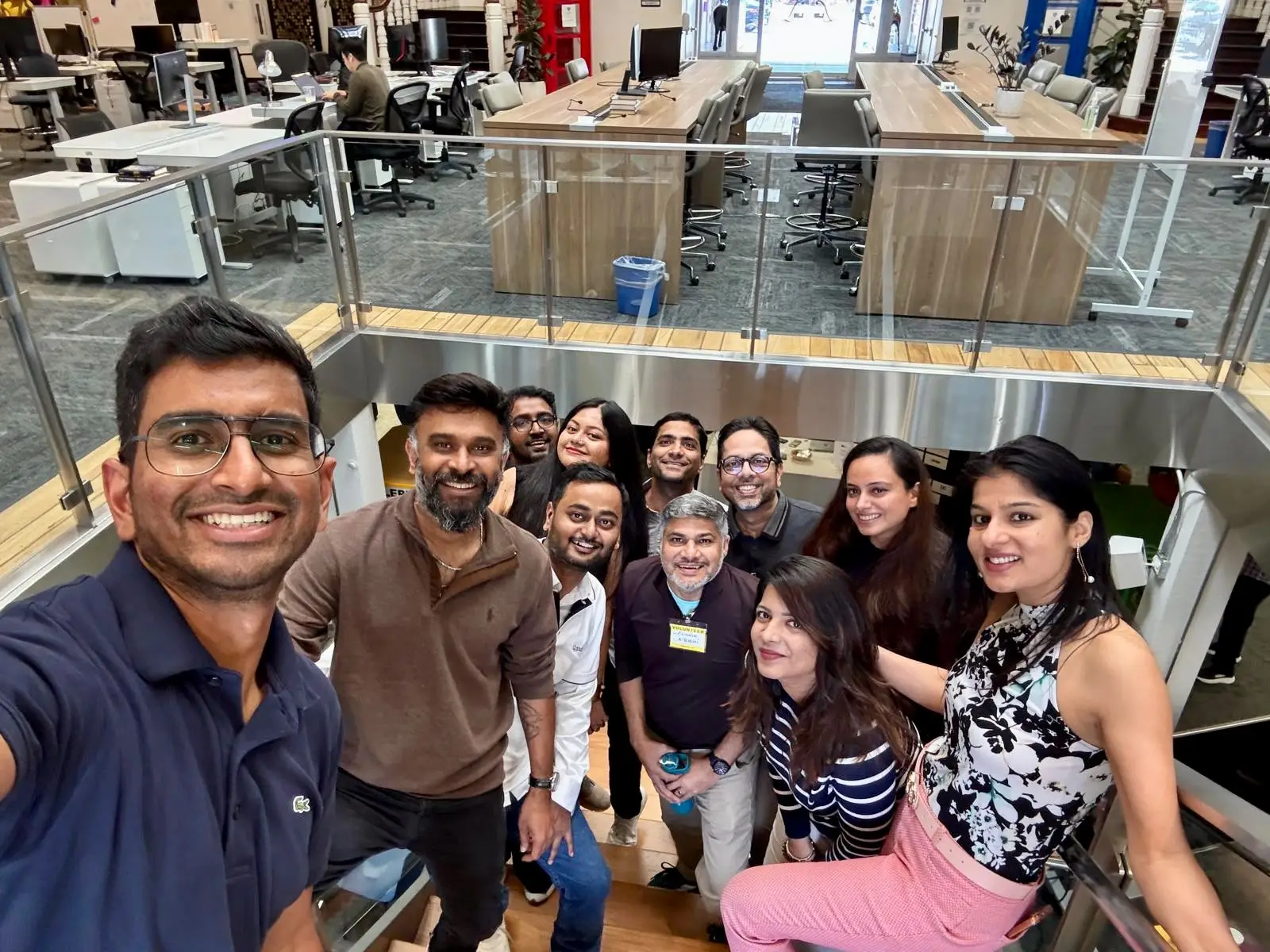
Caravan looks like five days on a calendar. In reality, it takes months — and a lot of people who quietly take ownership of things because they care about this community.
A huge thank you to the 16 volunteers who made this edition possible.
Arvind, Kalyan, Arjun and Niraj helped shape the three tracks and kept bringing us back to what founders actually needed.
Ankit took on the overall programme management and somehow kept all the moving pieces moving. Abhilasha looked after the founder experience — not just logistics, but the dozens of details that determine how a week like this actually feels.
Sandeep Todi, Manjot and Jitesh took care of the Summit. Radhika and Varun kept the communications running. Kiran, Maruthi, Dikshant and Sathya jumped into sessions wherever we needed them.
And Siddhant did what Siddhant does – anything and everything that needed a hand.
Thank you. Caravan genuinely would not be Caravan without people choosing to give this much of themselves to it.
We’re equally grateful to every speaker who came in willing to share the messy parts, not just the polished playbook.
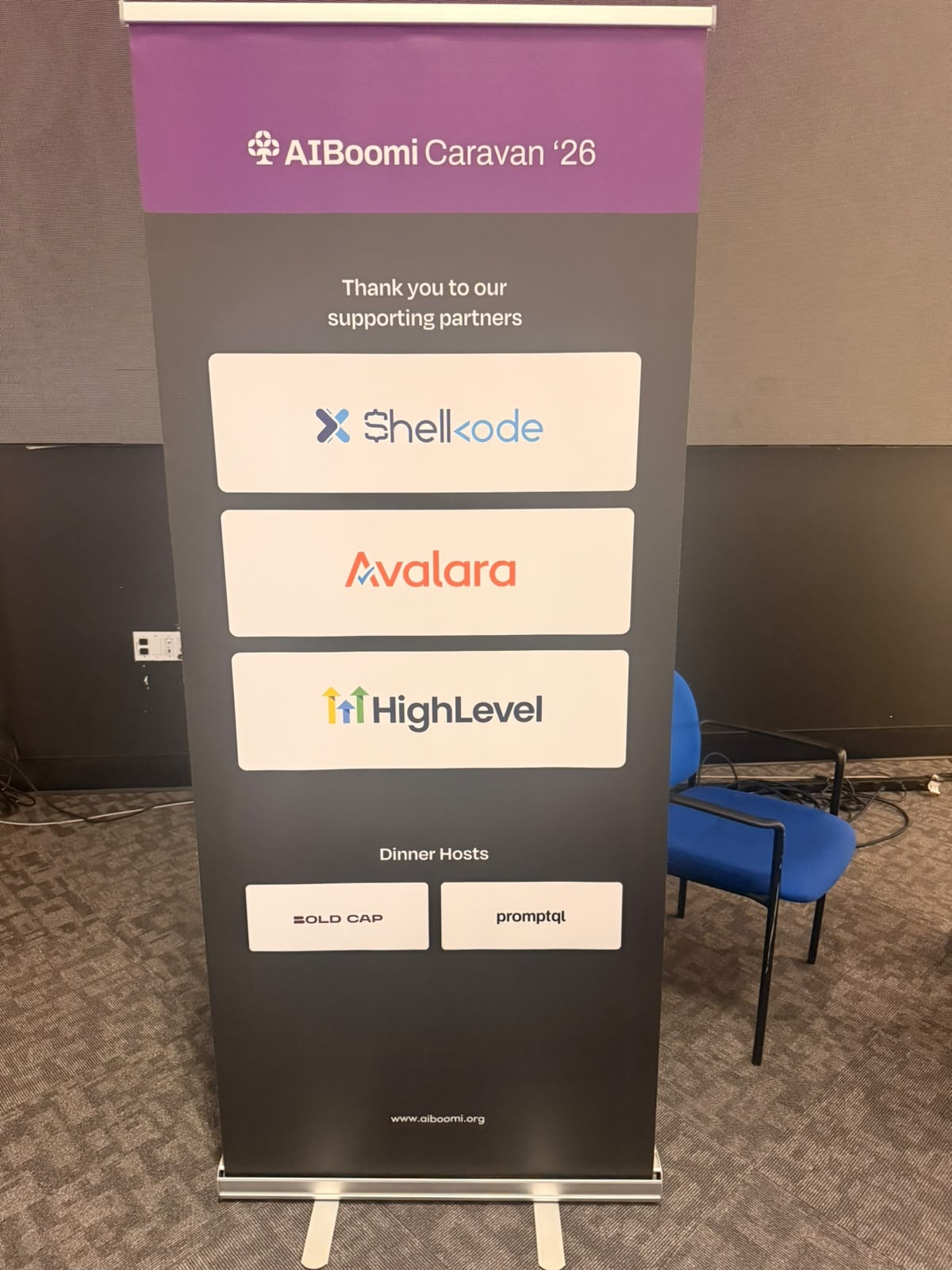
And to our sponsors and ecosystem partners who made the week possible — Stripe for hosting the Summit; ShellKode, Avalara, HighLevel and PromptQL for their support; Bold Cap for stepping in without an ask in return; and DC Advisory and Efficient Capital Labs for bringing everyone together over the partner dinner — thank you for backing this community.
So, what happens after Caravan?
This is the question we’re sitting with now.
Caravan is over. The WhatsApp group is quieter. Everyone is back to customers, teams, product releases, fundraising, targets and the hundred other things that make up a founder’s week.
But if we’ve done this right, the useful part shouldn’t end when the event does.
And the founders have given us a fairly clear brief for what comes next.
Go deeper.
Create more relevant connections in the US.
Make the rooms smaller when smaller makes them better.
Give founders more time to work on their actual businesses.
Create more opportunities for candid peer learning.
And make sure the people we bring into the room — customers, operators, investors or other founders — are there because they can genuinely help.
To every founder who trusted us with five days of their time: thank you for showing up, for being open about what wasn’t working, for helping each other, and for telling us where we could do better.
Five editions in, Caravan is still evolving.
That’s a good thing.
Because the goal was never to perfect an event.
It was to keep getting better at helping founders from India build in the US — and this Caravan gave us a much clearer idea of what that needs to look like next.
Onward and upward.