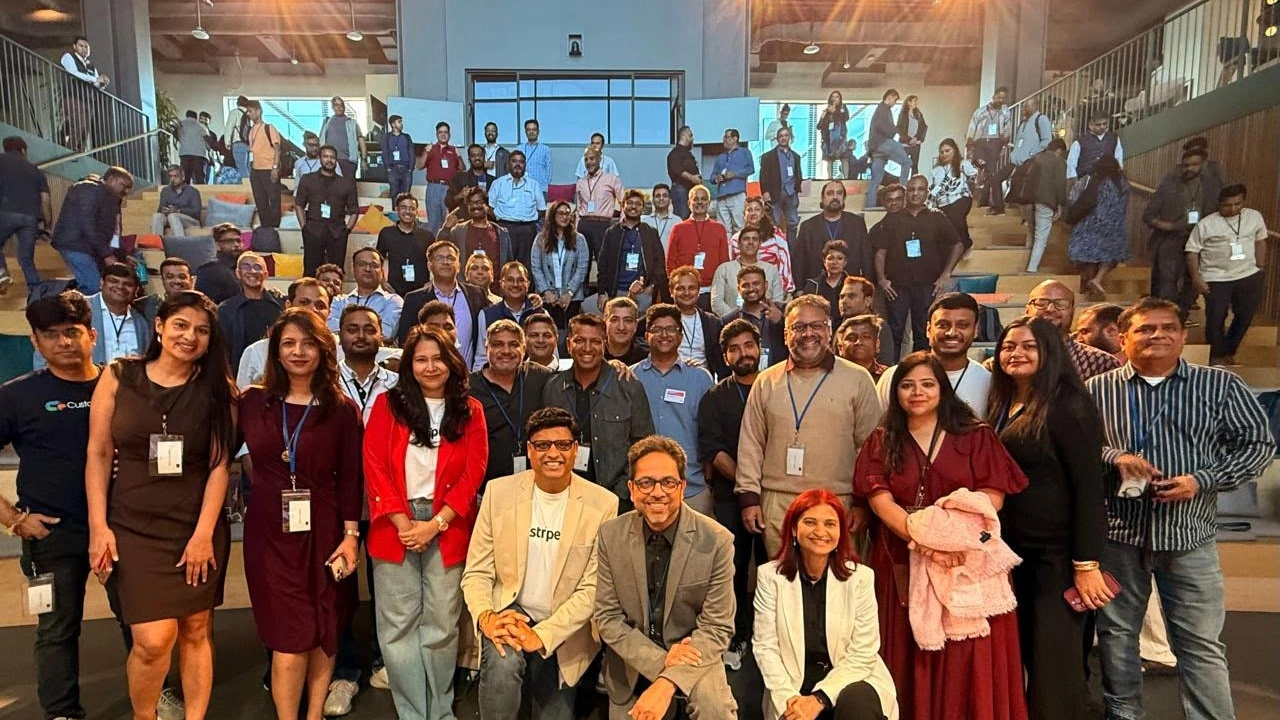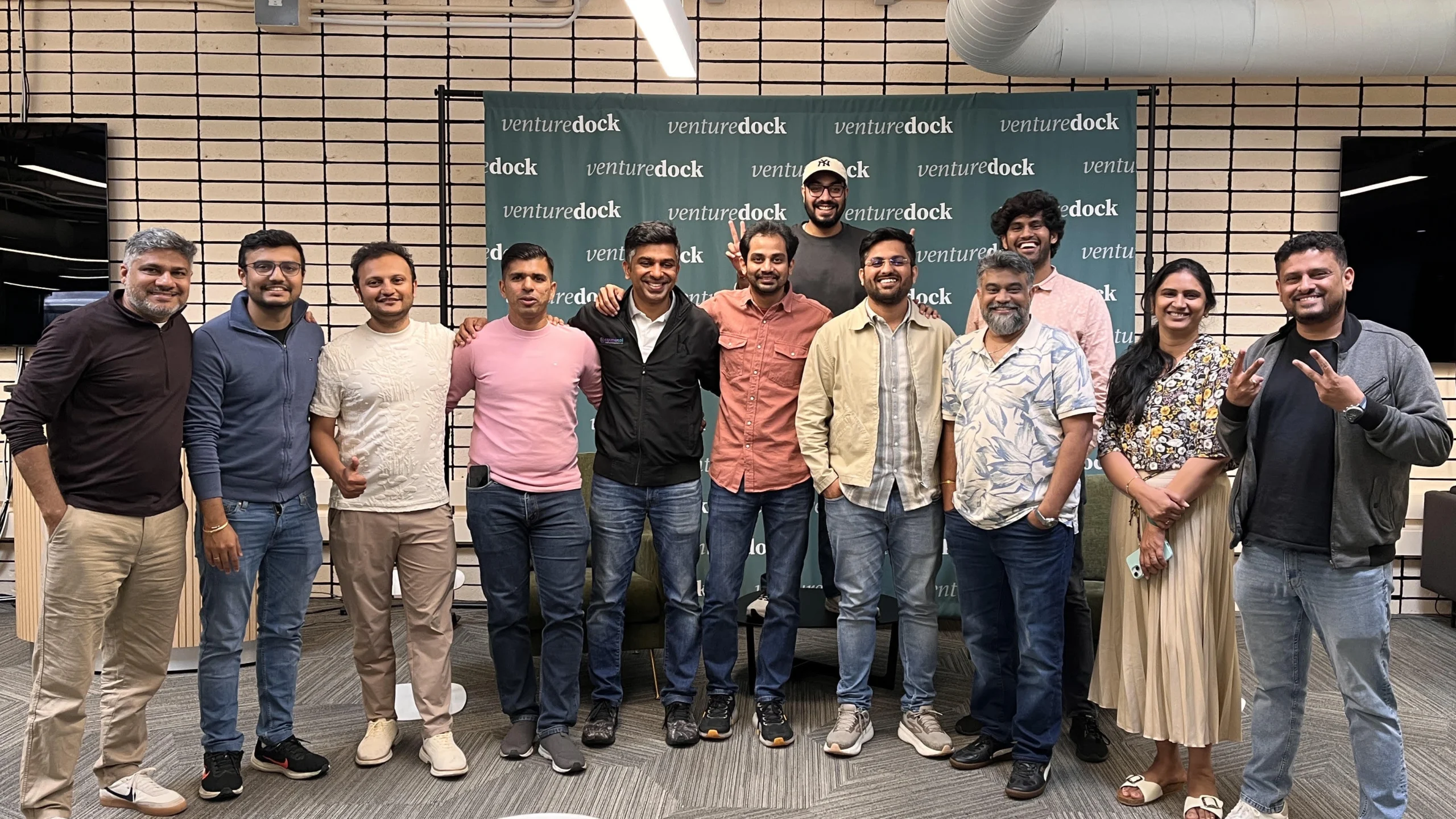
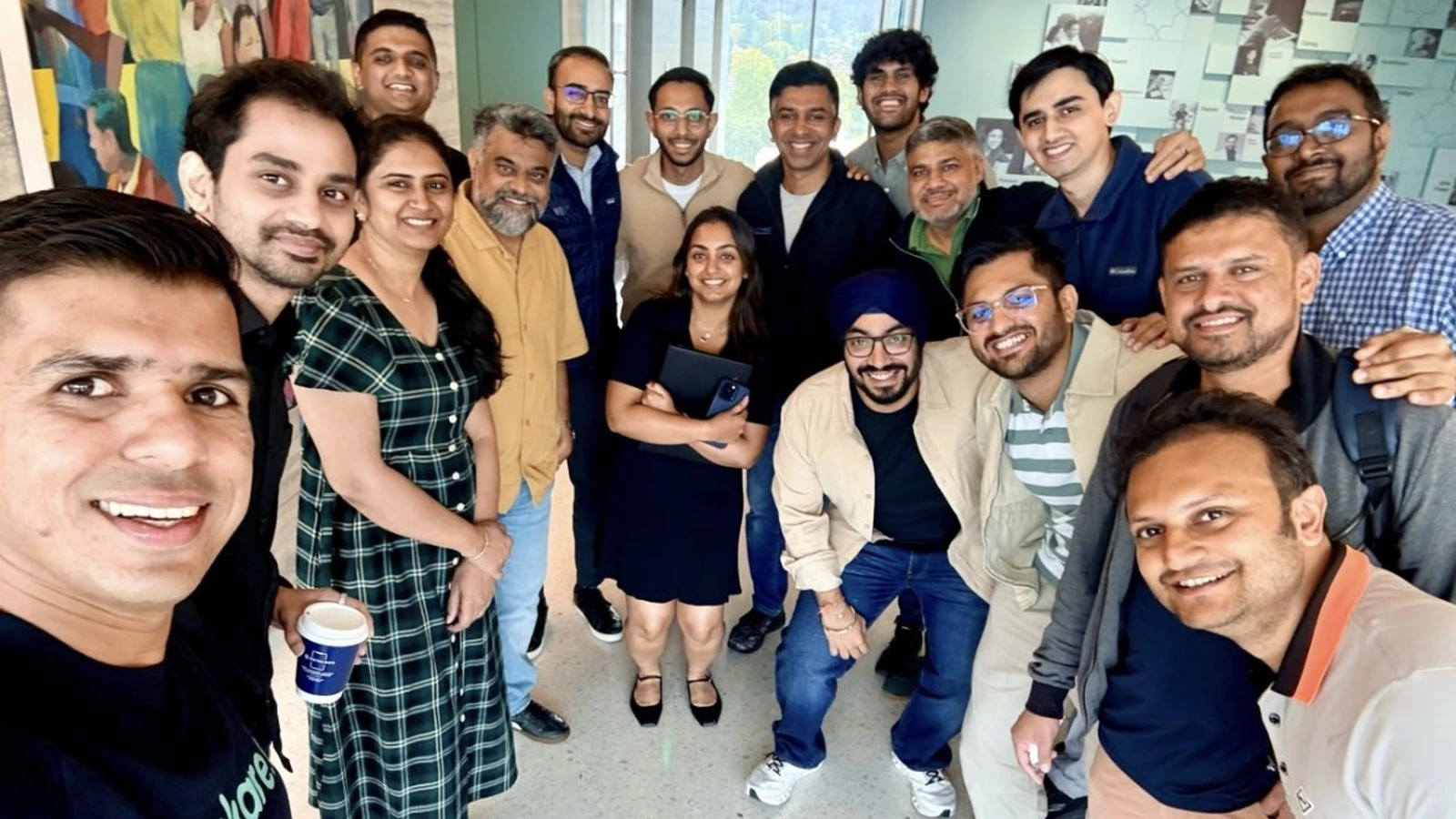
It was a 22-hour long journey from Bengaluru to San Francisco. I had booked my flight sometime around mid-August, right after a stressful visa process that started back in May this year. I was definitely anxious because this was my first time visiting the United States and I was traveling alone. But when I finally landed, two of the cohort founders, Siddu and Dheeraj, were waiting for me at the airport. That small moment of seeing familiar faces really set the tone for what Vertical Velocity ’26 was going to be about.
Some context first. Vertical Velocity is AIBoomi’s immersion program for Indian founders building AI for US healthcare. The preparation for this actually started back in June. We had a weekly cadence to review: programming and curation. Since this was the second edition, we decided (based on the first cohort’s feedback) to focus on the immersion week itself rather than the pre- and post-immersion activities. We launched the program page, opened up applications, and honestly, the initial flow was a bit slow. By August first-week, 50 startups had applied for the program, and we selected the final eight startups whose vertical focus and founder schedules aligned perfectly.
Three weeks before the program kick-off, a large part of the schedule was still empty. We had selected the cohort, but the week we were asking them to travel for was still coming together. Then, over the next few weeks, calls turned into confirmations. Introductions led to more introductions. And… we ended up overbooking the schedule (thanks to all the speakers who believed in the cohort!)
Managing this entire process while balancing my work at Compport was intensive, but seeing it come to life made it worth it. The trip changed my sense of what was possible. It also showed me how much progress depends on getting specific about the work in front of you.
Access vs. Preparation
The program began on September 14 in Menlo Park. One of the first speakers asked us to write down what we knew about him. Most of us missed that he had invested in a healthcare company relevant to the room. He said he would have offered an introduction if someone had brought it up.
That stayed with me. We had worked hard to get into the room. Preparation would have helped us make more of being there. An introduction you never knew you could ask for is easy to miss. He told us you need to research every single person before you meet them, because without context, a two-hour meeting builds absolutely nothing. Investors assess you before you even start pitching, looking at your clarity, your exit potential, and whether you are genuinely coachable.
Feature vs. Workflow
Across the healthcare sessions, one point kept coming up: a slightly better AI model is rarely enough to build a lasting business.
One investment team described how AI scribing had gone from a promising category to something large electronic health record systems, or EHRs, were bundling into their products. If the system a clinician already uses can offer the same feature, it becomes much harder to justify buying another tool.
That made the conversations about integrations and data more relevant to me. One founder selling to large health systems said he deliberately chose difficult problems. Integrating deeply with Epic was slow and complicated, but that work also made his product harder to copy. It meant the product could operate inside the systems customers already depended on.
Another founder spoke about bringing design partners on board early and gaining access to data that could help train smaller models for specific tasks. For Remina Care’s founders, the week brought a concrete step forward too. They reported rethinking their offering beyond resident engagement and securing their first US design partner on the fifth day. I found that encouraging: the conversations were helping the cohort think differently about the product and find someone to build with.
Reliability mattered just as much. One of the speakers working with smaller models described 95% accuracy as his own minimum bar for shipping. Errors still meant someone had to spend time checking and correcting the output.
We also heard about the administrative work surrounding every clinical interaction. There is plenty to solve there, but buyers are already tired of trying new AI products. A good demo needs to become something useful in their day.
My takeaway was quite simple: understand the whole workflow, including what happens before and after your product does its part. The more of that work you can reliably complete, the stronger the reason for a customer to keep using it.
Dots vs. Lines
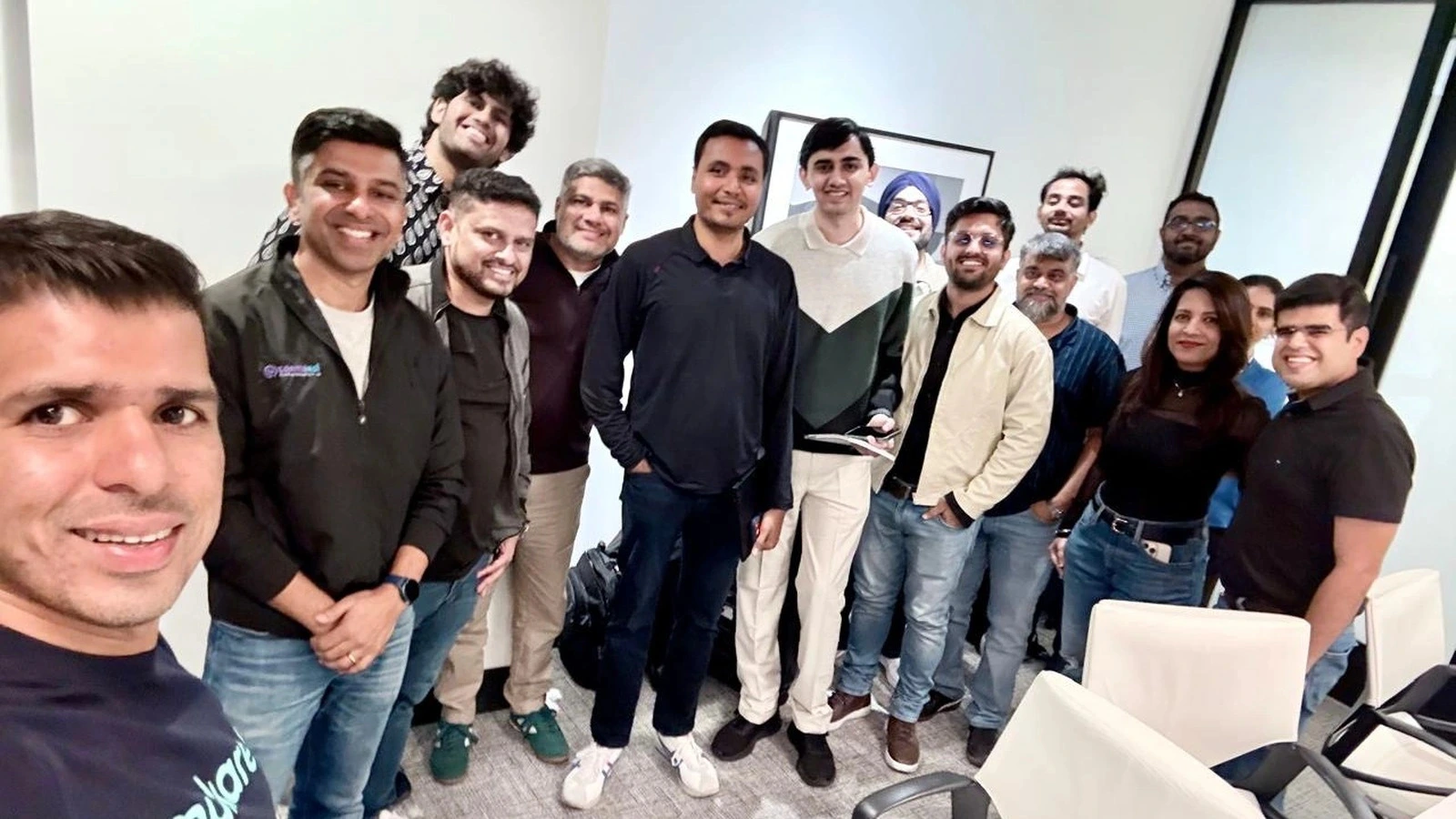
One of the fundraising conversations stayed with me. The speaker felt that the cohort founders were aiming too low with their raise targets, somewhere around 10 to 30% of what he would expect for a Bay Area seed round. That gave me a sense of how differently people there think about the capital needed to build.
His advice on the process was quite practical too. “Investors invest in lines, not dots”. Start speaking to them six months before you plan to raise, and give them time to see your progress. Then try to bring the actual raise together in a couple of weeks. He was also clear that anything short of a signed term sheet should be treated as a no, even if the conversations feel positive.
Another founder made a similar point about annual contract value, or ACV. Closing a $25K account can take roughly the same effort as closing a $100K account. Given my own revenue-focused work, this really connected with me. Smaller accounts still take time to sell to and implement. Moving towards higher-value customers can give that same effort a much better return.
Outside vs. Inside
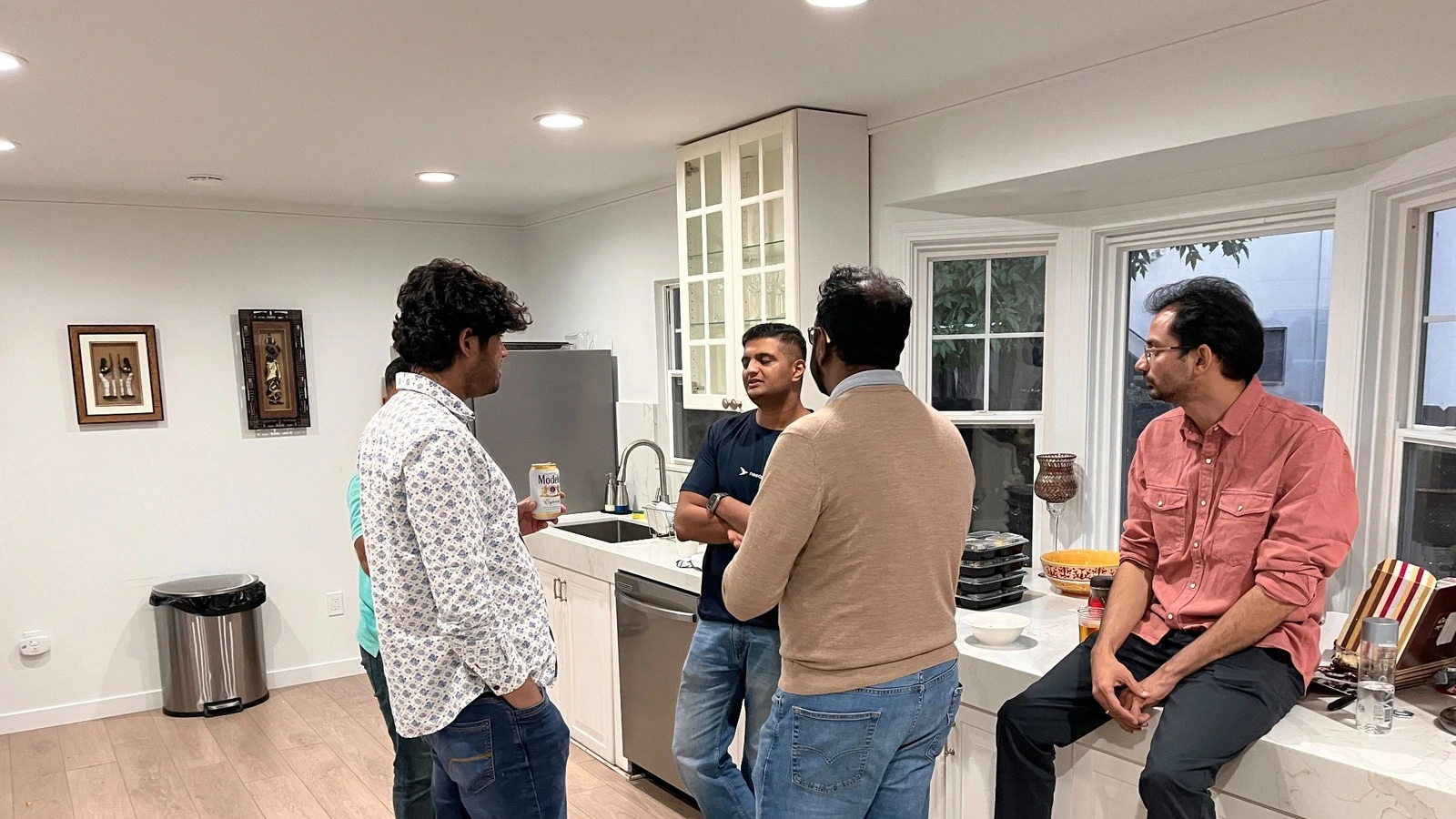
Six of the cohort founders, Jofin and I shared an Airbnb in Palo Alto. Jofin had been part of Cohort 1 and was volunteering this year. Staying together gave me a much closer look at what it takes to build a company.
After a full day of sessions, laptops would open again after dinner as teams in India started their day. Someone would step out of lunch for a customer call. Conversations at the kitchen table would move from product and sales to visas, whether a spouse could work if they moved, and how to plan out the next quarter. These were decisions that involved their families and the lives they were building too.
I began to appreciate what it means to leave a stable job and get started before you have all the answers. There were late nights and worries, and people kept showing up and putting in the work. I enjoyed meeting the speakers, the investor dinners and our visit to the Golden Gate Bridge, but sharing that house with seven founders is what gave me a deeper respect towards them and the founder community. So much of a founder’s effort happens quietly, long before anyone sees the outcome.
Here vs. There
Almost every speaker spoke about the importance of spending time in your market. If you are building for the US, you need to be there, meeting customers and understanding how they work. One speaker put it quite bluntly: anyone telling you otherwise is “comforting you”. On fundraising, his view was that the CEO needed to be there personally, rather than relying on another co-founder to build those investor relationships.
We also spoke about the differences in how people communicate. In customer conversations back home, it can take time to understand who actually makes the decision. In the US, someone might tell you directly that they don’t own the budget. Another piece of advice stayed with me: when a customer says your product is bad, ask them to explain. There is more to learn from that conversation if you take the time to understand what isn’t working.
I came back with plenty of notes, but also with a different sense of what is possible. Listening to people talk through how they had built their companies made me question some of the limits I had set for myself. I’m glad the Bay Area was my first experience of the US. It has made me think bigger, diminished the boundaries I used to have in my head and pushed me to raise the pace and quality of everything I do.
One of the cohort founders wrote in his feedback that the week had compressed a year of learning into one week. I could relate to that. I was there to manage the program, and ended up learning far more than I had expected.
Thank you
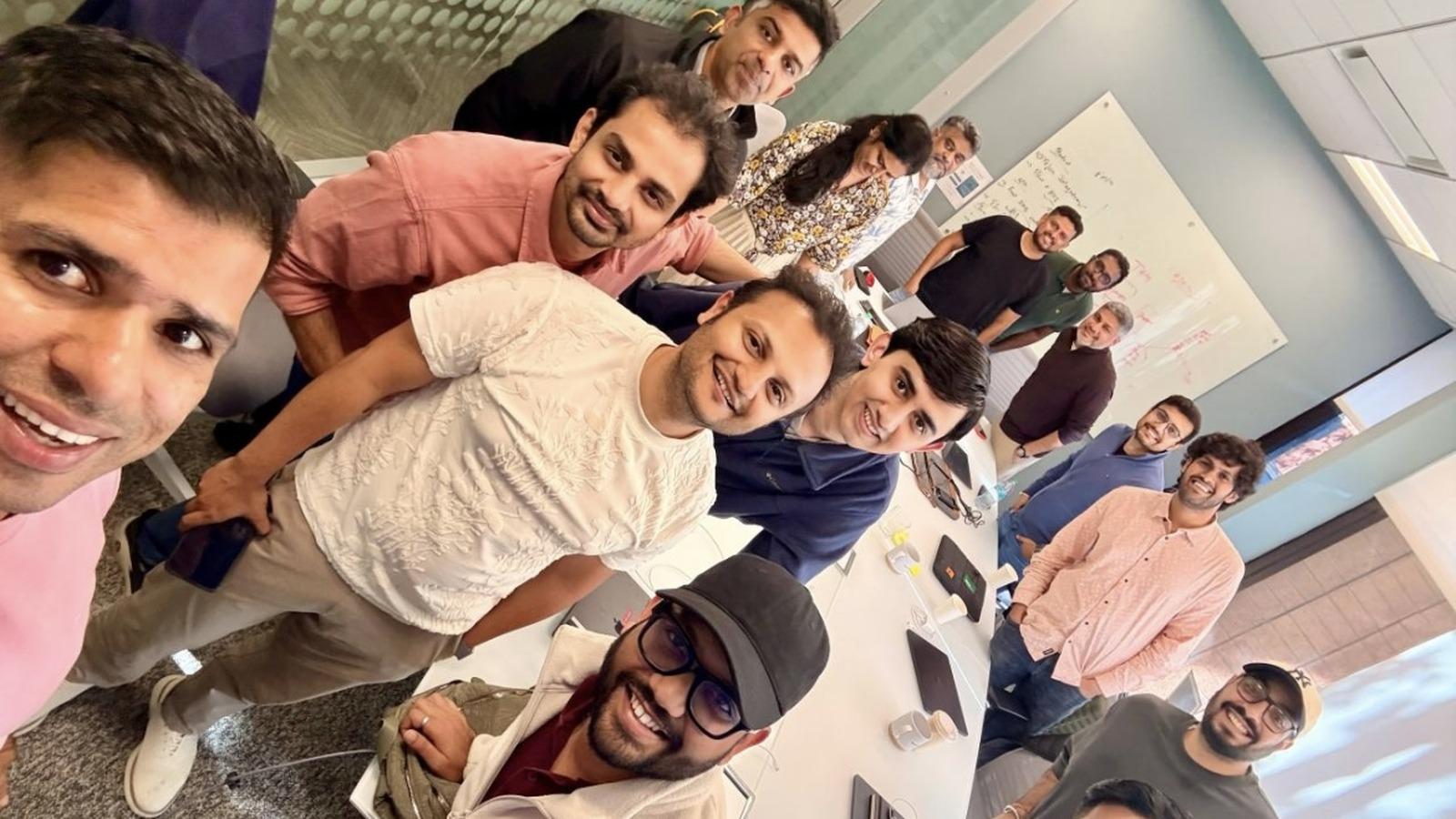
To the cohort founders who committed to the program, traveled across the world, and shared their raw struggles and wins: Pawan & Saket (2care AI), Siddu (CaresLink), Justin (Cosmasol), Sansiddh (Diagna), Dheeraj (EigenH AI), Senu (Mykare.ai), Jaskaran & Mayank (Propel), and Srikar & Suneetha (Remina Care).
To our speakers, thank you for your time and generosity. That’s the whole point of this community, and you all made it real.
To the Venture Dock team: Lochan, Vinod, Monica, and Gaëlle, for giving us a home in Palo Alto for the week. They’ve created a great place and an environment that gives founders a real sense of belonging.
To the volunteers, we could not have pulled off the logistics, the late-night planning, and the on-ground execution without this exact team: Ankit, Avinash, Dhruv, Jofin, Keerthi, Shivangi, Vengat, and Vivek.
Vengat and Vivek, a special thank you to you both for the time and thought you put into cohort curation and programming. Your inputs helped shape a week around what the cohort founders really needed.
Managing a week-long US immersion for a cohort of founders and 25+ speakers across multiple locations was a big responsibility. At 25, on my first US trip, I was grateful that Avinash and Keerthi trusted me to take it on. I’m not sure I would have taken that bet in their place, but they did, and I tried my best to do justice to that trust.
India’s AI moment is happening right now. After seeing this cohort in action, I came back more confident that Indian founders can build significant companies in US healthcare. That possibility feels much more real to me now.
For me, it was a week I’ll remember for a long time. Every morning in Palo Alto, though, my first goal was getting everyone into the car and to the session on time. See you on the next trip, friends. When I say we’re leaving in five minutes, I still mean five minutes!